
When to Visit Urgent Care: Its Importance in Modern Healthcare
Deciding when to visit an urgent care versus the emergency room or seeing a primary care physician is critical to getting timely, quality care. The process involves assessing symptoms, considering urgency, and weighing available healthcare options.
This article explores the rise of urgent care in bridging the gap between primary care and emergency room (ER) services, the factors influencing the decision when to visit urgent care, its benefits, and the limitations individuals should be aware of.
The Rise of Urgent Care in Modern Healthcare

Urgent care clinics have become popular recently, filling a critical healthcare gap between primary care providers and emergency rooms.
Primary care offices are not always equipped to handle same-day appointments or after-hours needs. In contrast, emergency rooms focus on life-threatening injuries and illnesses and often have long wait times. Urgent care fills this void by providing walk-in appointments and after-hours care for non-life-threatening conditions that still require timely treatment. The accessibility and convenience of urgent care make it an appealing option for many common illnesses and injuries.
Deciding When To Visit Urgent Care
1. Non-life-threatening situations
Knowing when to visit urgent care is essential, especially in non-life-threatening situations. Minor illnesses such as colds or flu, urinary tract infections or sexually transmitted diseases (STDs), and common injuries like minor cuts and bruises can be effectively treated at urgent care centers. These facilities are equipped to tackle a wide range of medical issues promptly, providing a quicker alternative to scheduling an appointment with a primary care physician.
2. After-hours primary care needs
When primary care offices are closed, and waiting until the next business day is not an option, urgent care becomes a convenient choice. Urgent care centers operate during extended hours to cater to after-hours primary care needs, whether a sudden cold, persistent cough, or other acute but non-emergency conditions.
 3. Minor injuries and ailments
In cases of minor injuries and ailments such as sprains, minor burns, or allergies, urgent care is an excellent option. These centers offer immediate attention and care without the prolonged wait times often associated with emergency rooms. Unlike emergency rooms with long wait times, urgent care ensures a quicker resolution and relief for the patient.
4. Routine medical services
Urgent care goes beyond just helping with urgent issues; it also covers routine medical services. Whether you need regular check-ups, vaccinations, or other preventive care, urgent care centers have you covered. This flexibility makes urgent care a convenient choice for various healthcare needs.
Benefits of Visiting Urgent Care
Faster service: In considering when to visit urgent care, remember that quick service is one of its primary benefits. Patients can easily walk in without an appointment and receive timely medical attention. This speed is beneficial if you have minor illnesses or injuries and need care immediately.
Cost-effective: Visiting urgent care is often more cost-effective than going to an emergency room for non-life-threatening situations. With lower copays and fees, urgent care provides an affordable alternative without compromising the quality of care.
Accessibility and convenience: Urgent care centers are conveniently placed in communities for easy access. With extended hours, including evenings and weekends, patients can get medical help without interrupting their daily schedule. This accessibility and convenience make urgent care a practical and user-friendly choice for many people.
Comprehensive care: Urgent care centers offer comprehensive care beyond treating acute illnesses and injuries. They provide various services, including diagnostic tests, sick visits, and sports physicals. This holistic approach contributes to the overall well-being of patients.
Knowing the Limitations: When NOT to Visit Urgent Care
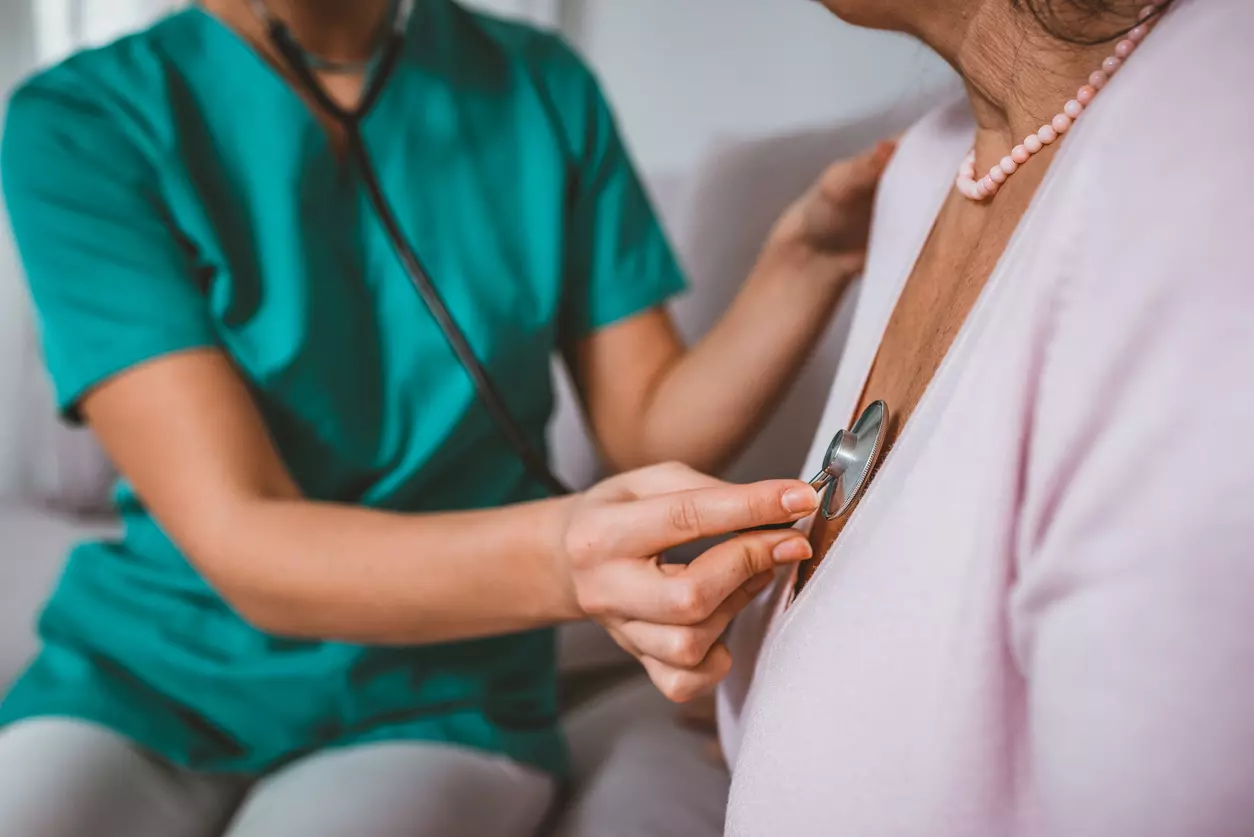
Urgent care is a valuable resource but is not always the go-to for every situation. Life-threatening emergencies, such as heart attacks or severe injuries, require immediate attention at an emergency room or by calling 911. Urgent care is not equipped for these critical situations.
Moreover, individuals with long-term chronic conditions are better served by a primary physician who can provide ongoing and specialized care. So, be aware of when to visit urgent care and when to visit others, like the ER or primary care physician.
Midlands Family Urgent Care: Committed to Accessible and Quality Healthcare
At Midlands Family Urgent Care, our team is committed to providing accessible and good quality healthcare to the community. Our dedication is exemplified through:
Trained medical professionals: Midlands Family Urgent Care is staffed with skilled and experienced medical professionals, ensuring patients receive the highest quality care.
Modern facilities: Our center utilizes the latest technology and equipment to give accurate diagnoses and effective treatments in a comfortable environment.
Patient-centric: Putting patients first is our core principle. The focus on patient-centric care ensures that individuals feel heard, respected, and well-cared for during their visit. This commitment extends to every aspect of the urgent care experience. We want you and your family to feel happy and healthy!

End Note
As urgent care continues to play an expanding role in the healthcare system, understanding when to visit urgent care versus when to call the primary care office or go to the emergency room is key to getting the proper care at the right place. Urgent care fills a significant gap, providing timely, affordable, and professional care for most common injuries and illnesses.
If you have decided when to visit urgent care, do not hesitate to take the next step. Schedule your visit now and experience accessible, quality healthcare at Midlands Family Urgent Care.

Do you have symptoms that could be connected to the flu or an allergy? Or COVID-19? Maybe it’s just a simple cold! It’s hard to know exactly what issue you may be facing as many of these symptoms are the same. However, there are some more discreet differences and fortunately Urgent Care can help!
According to the CDC, adults in the US experience an average of 2-3 colds per year, while children may have as many as 6-8. On the other hand, allergies are a year-round concern, with an estimated 50 million Americans experiencing them. The flu is generally a lot more serious, but not as frequently caught, with the average person experiencing it up to two times every ten years.
Colds and seasonal allergies affect the respiratory system, but the two are very different. Allergies result from an overactive immune response to the allergen, which can be harmless substances like pollen or dust. On the contrary, colds, the flu, and COVID-19 are caused by a viral infection.
Due to their impact on the same system, these four conditions can exhibit similar symptoms, such as sneezing, coughing, and runny nose, which makes it challenging to differentiate between them.
Distinguishing between these four is crucial for selecting the appropriate treatment and managing the condition effectively. Keep reading to learn the difference between a cold, the flu, allergies, and COVID-19.
Difference Between a Cold, the Flu, Allergies, and COVID-19:

Duration of Symptoms
One of the most significant ways to tell the difference between a cold, the flu, allergies, and COVID-19 is the duration of symptoms. For example, a cold typically lasts 7-10 days, the flu lasts 5-7 days, and COVID-19 symptoms can persist for weeks, but allergies can last for weeks or months, especially when it comes to seasonal allergies.
Severity of Symptoms
One key difference is that the flu and COVID-19 can cause aches, pains, and fever, while allergies and the cold typically do not. Allergies usually cause more sneezing, itching, runny nose, and itchy red watery eyes, whereas a cold may leave you with a cough, runny nose, and a sore throat.
The common cold also tends to produce thicker, discolored mucus, whereas allergies typically result in clear, thin, watery mucus.
Time of Year
Colds, flu, and COVID-19 happen more in the winter because these viruses thrive in cold environments. As we spend more time indoors, the virus is able to survive longer and be passed around easily.
Allergies can happen in the spring/summer or during seasonal changes when trees, grasses, and weeds release environmental allergens, such as pollen. In addition, seasonal changes can also lead to changes in humidity, temperature, and air quality, which can aggravate allergies by allowing the growth of specific allergens, such as mold.
Is Cold Medicine Helping?

Cold medicine is not specifically designed to treat allergies. Although some symptoms of cold and allergies are similar, such as sneezing and runny nose, the underlying causes differ.
Cold medicine is typically intended to alleviate the symptoms of a cold, such as congestion, cough, and sore throat. These medicines may contain ingredients, such as antihistamines, decongestants, and pain relievers, which can relieve some of the symptoms that also occur with allergies.
If you are experiencing allergy symptoms, it is best to consult with a healthcare professional to determine the best course of treatment. They may recommend a specific measure, such as avoiding allergens, or allergy-specific medication, such as antihistamines, nasal corticosteroids, or decongestants.
They may also recommend allergen immunotherapy or allergy shots for severe allergies or not completely resolved by other treatments.
How can Urgent Care help?
Urgent Care facilities like Midlands Family Urgent Care are a useful resource for getting you back to your healthy self! Here are some of the key ways they can help:
Assessment and Diagnosis
Urgent care centers have medical professionals who can evaluate you and can help you tell the difference between a cold, the flu, allergies, or COVID-19 symptoms.
Testing
Urgent care facilities often offer various diagnostic tests, including rapid antigen tests or molecular tests (such as PCR tests) to check for COVID-19 and the flu. They can perform the necessary swabs or collect samples to help identify the specific cause of your symptoms.
Treatment
Depending on the diagnosis, urgent care providers can recommend appropriate treatment options. These may include a combination of over-the-counter medication to help with symptoms to prescribed medications for more severe symptoms.
Referrals
If your condition requires more specialized care, urgent care centers can refer you to appropriate healthcare providers, such as primary care physicians, specialists, or hospitals, depending on your needs.
End Note
We hope these key indicators will help you tell the difference between a cold, the flu, allergies, or COVID-19.To receive the most suitable treatment, it is advisable to consult a healthcare professional, like at Midlands Family Urgent Care.
If you are currently experiencing any symptoms, do not hesitate to seek additional help. Reach out to Midlands Family Urgent Care today for extra assistance and support in managing your symptoms.
Experiencing sudden chest pain or sleepless nights due to an earache can be daunting, and it’s natural to feel unsure whether to visit an emergency room (ER) or an urgent care center. This confusion is common, and it’s essential to understand the differences between the two facilities.
To make an informed decision, learning about the differences between an ER and urgent care is important. Continue reading the article below to gain a better understanding.
The Differences Between ER and Urgent Care
What is an ER?

An emergency room (ER), or an emergency department (ED), is a medical facility designed to provide immediate and urgent care to patients with acute medical conditions or injuries requiring close attention.
ER is available 24 hours a day, 365 days a year, and fully staffed by specially trained medical professionals, such as emergency physicians, and nurses that are equipped with a wide range of medical equipment and supplies to save lives in the immediate.
Patients are typically triaged upon arrival and receive immediate attention. Patients may be treated and released, admitted to the hospital for further care, or transferred to another facility if necessary.
What is an Urgent Care Center?

An urgent care center is a medical facility that provides walk-in medical care for patients with non-life-threatening illnesses. Typically, an urgent is a community medical facility outside a traditional hospital-based or emergency room (ER).
Most urgent care centers are open 7 days a week and available outside of regular business hours. Some centers are even open on holidays. This makes them a convenient option, especially when primary clinics or physician offices may be closed. Similar to an ER, an urgent care center is staffed by a team of medical professionals trained to diagnose and treat a wide range of non-life threatening medical conditions, such as physicians, physician assistants, nurses, and other support staff.
Examples of What You Would Go to ER and Urgent Care For
Deciding whether to go to an ER or an urgent care center depends on the severity of your medical condition.
According to UChicago Medicine, here are some examples of situations where you should go to an emergency room:
- Chest pain or pressure: this could be a sign of a heart attack or other cardiac condition. Do not think twice. Go to the ER immediately.
- Difficulty breathing: this could be a sign of a serious respiratory condition.
- Severe or persistent abdominal pain: this could be a sign of a serious medical condition, including appendicitis (right lower abdominal pain), kidney stones, and other abdominal conditions.
- Severe headache: if this condition is accompanied by a loss of consciousness, nausea, or vomiting, increased intracranial pressure is suspected.
On the other hand, here are some examples of situations where you might attend an urgent care center:
- Minor injuries include sprains, strains, or small cuts requiring stitches.
- Common respiratory tract infections include cold, flu, and strep throat.
- Eye infections or minor injuries.
- Minor burns or sunburns.
- Urinary tract infections or sexually transmitted diseases (STDs).
- Mild allergic reactions, such as rashes, hives, or mild swelling.
- Minor skin conditions, such as acne, dermatitis, or eczema.
- Mild asthma attacks.
The Services Midlands Urgent Care Offers
Midlands Urgent Care fills the gap between an ER and doctor’s offices by offering immediate care for urgent non-life threatening conditions 7 days a week with no appointment needed.

Our services include:
- Minor illnesses treatment
- Injuries and burns treatment
- Lab and drug testing
- Sports physical therapy
- Respiratory tract infections
- X-rays
- STI/STD and UTI treatment.
If you would like to like to learn more about our services in-depth, please click here.
End Note
An ER is a medical facility designed to provide immediate care to patients with life-threatening conditions or injuries that require prompt attention. In contrast, an urgent care center is a medical facility that offers walk-in medical care for patients with non-life-threatening illnesses that need to be addressed in a timely manner.
It’s important to note that urgent care centers are not a substitute for emergency care as they don’t have the same equipment or trained staff as an ER. However, they are a reliable option for minor injuries or illnesses that cannot wait until tomorrow.
Our Omaha-based medical professionals at Midlands Family Urgent Care provide a variety of healthcare services ranging from sick visits to walk-in sports physicals. To learn more about Midlands Family Urgent Care, please contact us today!
Disclaimer: The information presented in this blog post is for educational purposes only and should not be used as a substitute for professional medical advice, diagnosis, or treatment. Any reliance you place on the information presented in this blog post is therefore strictly at your own risk.
Always seek the advice of your physician or other qualified healthcare providers with any questions you have regarding a medical condition or treatment. The author and publisher of this blog post make no representation or warranties of any kind, express or implied, about the completeness, accuracy, reliability, suitability, or availability with respect to the information contained in this blog post for any purpose.
In no event will the author or publisher be liable for any loss or damage including without limitation, indirect or consequential loss or damage, or any loss or damage whatsoever arising from the use of or reliance on the information presented in this blog post.
Providing children’s urgent care services in Omaha helps to meet the unique medical needs of our youngest community members. Midlands Family Urgent Care, a well-known urgent facility in the area, is leading the way in this effort. Committed to creating a child-friendly environment, Midlands Family Urgent Care ensures a dedicated team of professionals with appropriate training is at the forefront, offering prompt and comprehensive medical attention to our little ones.
In this article, we’ll explore the pediatric specialized services provided by Midlands Family Urgent Care in Omaha.
Importance of Children’s Urgent Care Services
According to the Centers for Disease Control and Prevention (CDC), 93.9% of US children visited a doctor or other healthcare professional for medical attention in 2022. This staggering statistic underscores the significance of providing specific care for children, considering the prevalence of their healthcare visits. Moreover, having specialized care is crucial as children are not “small adults.” Their physiology differs significantly from that of adults; hence, their approach to treatment also needs to be different.
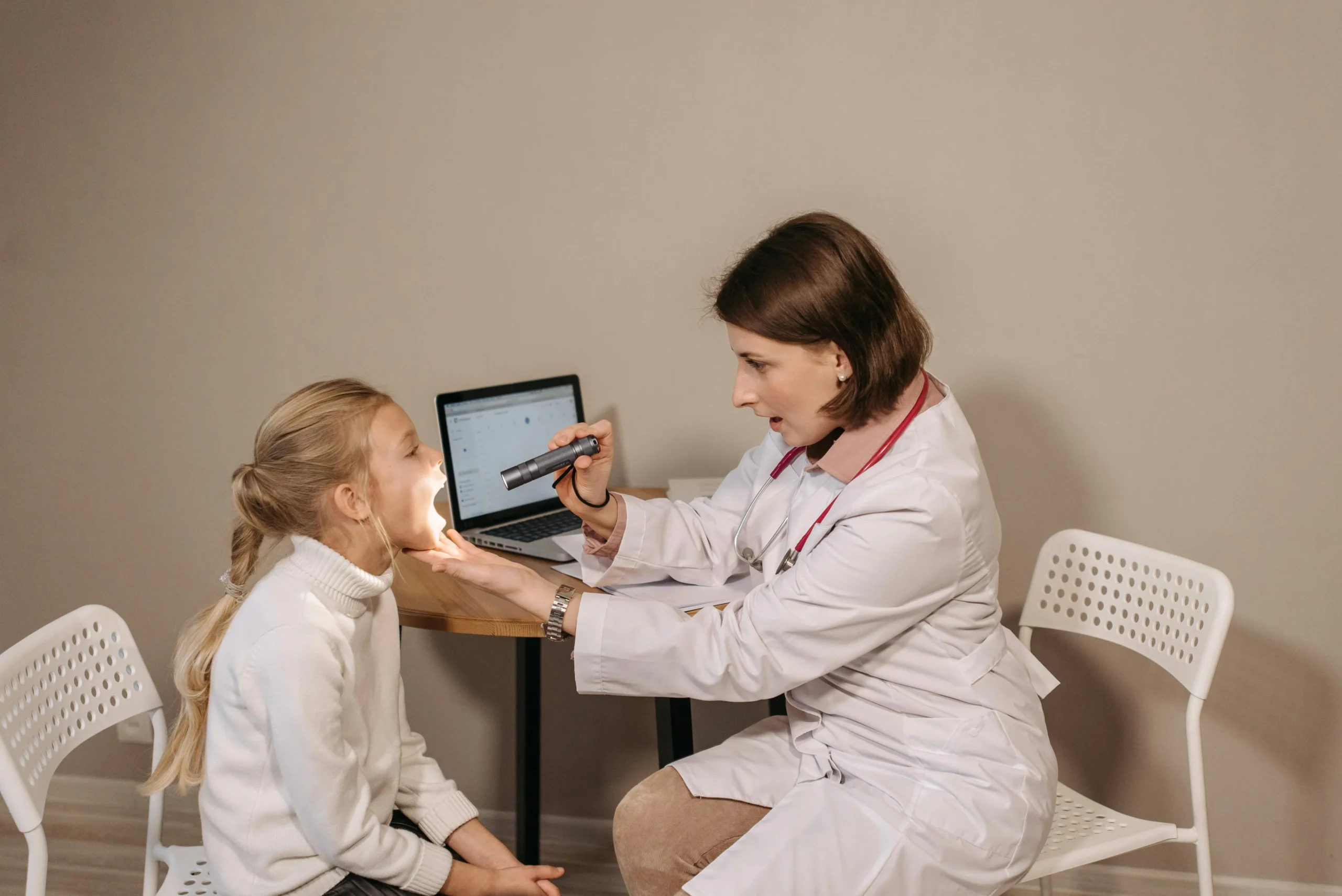
Urgent care facilities, like Midlands, are staffed by healthcare professionals such as doctors, nurse practitioners, and physician assistants who have experience dealing with pediatric patients. Professionals who are comfortable treating children ensure a more effective and tailored approach to their care.
Children’s Urgent Care Services in Omaha
Immediate Injury Treatment
Midlands Family Urgent Care stands out as a reliable healthcare provider when addressing immediate injuries in children. Our facility is well-prepared to treat various injuries that young ones may encounter during active play. Whether it’s fractures, sprains, or cuts, our experienced medical team is equipped to provide quick response and effective care. We understand the specific needs of children and ensure a child-friendly approach to make the visit as comfortable as possible.
Illness and Infection Care
Beyond injuries, our facility is also well-equipped to handle various sick visit issues that cannot wait for a scheduled appointment, such as flu, colds, and ear infections. Our medical team employs a comprehensive approach to illnesses. From accurate diagnosis to personalized treatment plans, we prioritize the health and comfort of our young patients.

Diagnostic Services
In addition to immediate injury and illness care, we provide comprehensive diagnostic services to aid in accurate and timely diagnosis. Our facility has state-of-the-art laboratory testing capabilities, including various types of blood work. Moreover, in the wake of the recent pandemic, the availability of rapid testing to differentiate cold, flu, and COVID-19 enables us to provide quick and reliable results, facilitating prompt decision-making for the child’s healthcare.
Children’s Preventative Health Services
Preventative health services, such as vaccinations and routine check-ups, are essential for maintaining the well-being of children. At Midlands, we recognize the vital role of these proactive measures in establishing a strong and lasting basis for the health of our young patients.
Vaccinations and Immunizations
A cornerstone of preventative health, vaccinations and immunizations, stand as powerful shields against a spectrum of illnesses. It is crucial to keep children’s vaccinations up to date to provide them with robust protection, prevent disease outbreaks, and promote community well-being through herd immunity.
By following the recommended vaccination schedule from the CDC and checking in regularly with healthcare professionals at our facility, parents or caregivers can stay informed about their child’s vaccination status and upcoming immunization needs.
Pediatric Routine Check-Ups
Regular check-ups for children provide opportunities to monitor physical and developmental milestones. These monitoring are about identifying potential health issues early on and empowering parents with valuable insights into their child’s overall health. Through collaborative efforts with healthcare providers, parents can actively promote healthy habits, ensure optimal nutrition, and promptly address any concerns.
Friendly Environment and Staff
Midlands Family Urgent Care takes pride in providing our young patients with a warm, child-friendly environment. Our facilities are designed with vibrant and playful decor, creating a welcoming space to ease potential anxiety. The trained pediatric staff at Midlands are experts in addressing the unique needs of children. Beyond their medical expertise, our staff is dedicated to offering compassionate and reassuring care, ensuring a comfortable experience for every child.
Additionally, we understand the importance of convenience for families. With multiple locations across Omaha, we aim to ensure easy access to quality healthcare. Whether your child requires urgent care services for a minor injury or illness or a routine check-up, our strategically located facilities are available seven days a week, 365 days a year.
End Note
Midlands Family Urgent Care in Omaha provides a dedicated pediatric approach to urgent and preventative healthcare needs. From immediate injury treatments to illness and infection care, diagnostic services, and preventive health measures, our comprehensive medical services delivered by specialized staff in child-friendly facilities ensure children are in the most capable hands. By choosing urgent care tailored specifically for kids, parents can rest assured knowing their child’s unique needs are being met.
If your child needs immediate attention or regular check-ups, don’t hesitate to schedule a visit or walk-in to Midlands Family Urgent Care in Omaha.
First aid is an emergency response, typically involving simple, life-saving techniques that most people can train to execute with minimal equipment and no previous medical experience. It is essential knowledge for everyone, as emergencies can happen unexpectedly at any time. Having a well-equipped first aid kit at home is a crucial step that enables someone to provide early treatment before seeking professional medical assistance.
In this guide, we will outline the fundamental components of a home first aid kit, additional items recommended by professionals, and specialized considerations for different household needs.
Essential First Aid Kit Contents
First aid basics begin with assembling a comprehensive first aid kit. According to the American Red Cross, an ideal first aid kit should also include absorbent compress dressings, adhesive bandages, adhesive cloth tape, antibiotic ointment packets (approximately 1 gram each), antiseptic wipe packets, aspirin, emergency blanket, breathing barrier (with a one-way valve), pairs of non-latex gloves (size: large), hydrocortisone ointment, gauze roll (roller) bandage, a roller bandage, sterile gauze pads, sterile gauze pads, triangular bandages, and tweezers.
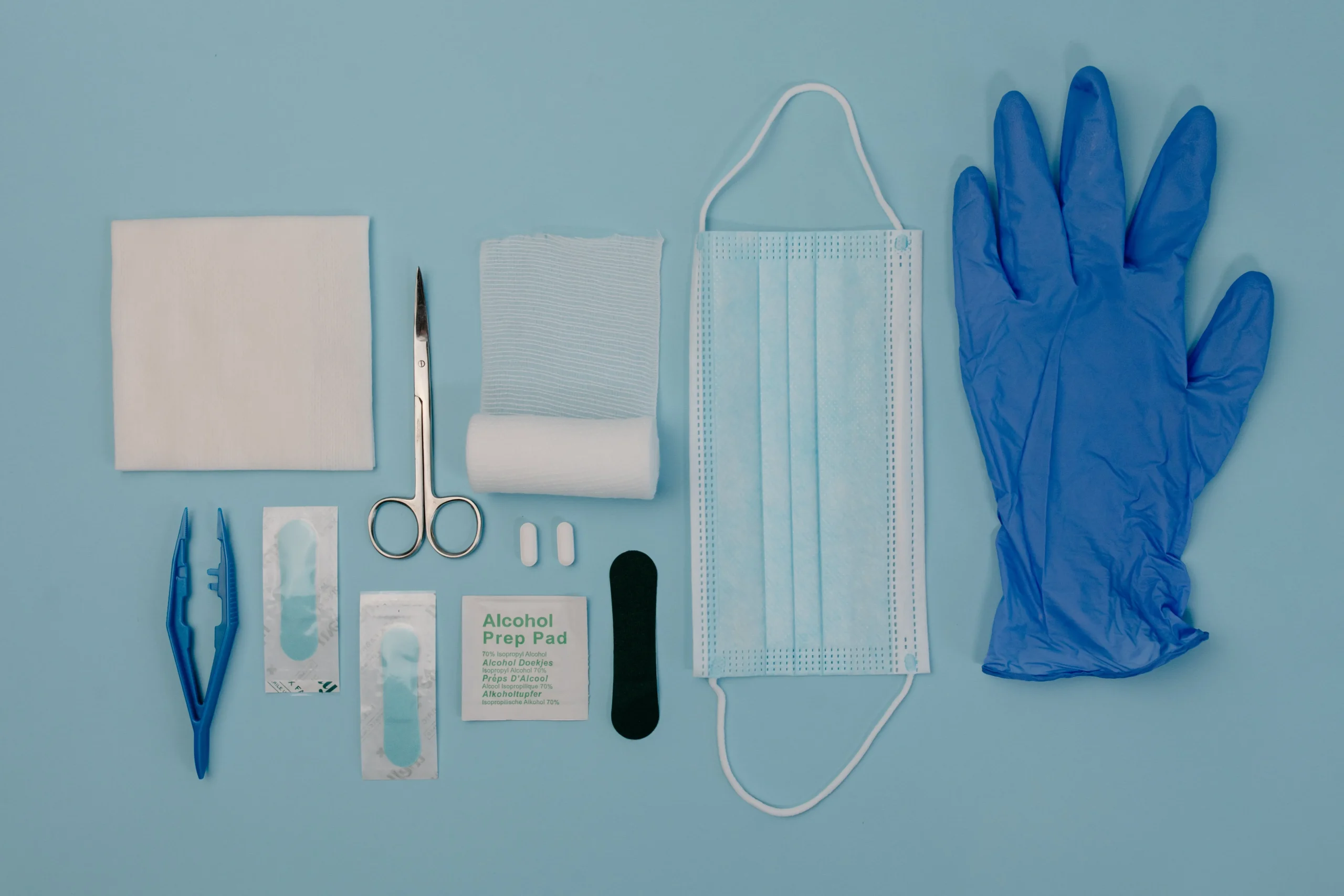
These items are crucial for addressing minor injuries and wounds effectively. Additionally, Midlands professionals recommend including a thermometer and instant cold packs in your kit. A thermometer helps monitor body temperature, while cold packs can be invaluable for treating sprains and strains or reducing swelling.
Specialized Items for Your Kit
Customizing your first aid kit to meet the specific health needs of your household is another crucial aspect of first aid basics. Consider including medications and supplies for chronic conditions that family members may have. These supplies could include prescription medications, inhalers, seizure medications, or EpiPens for individuals with allergies.
If you find yourself in a situation where first aid kits are not readily available, Midlands offers a customized first aid service to address minor injuries, burns, mild illnesses, and more. This service is designed to meet your household’s unique health requirements every day without needing an appointment.
Proper Use of First Aid Supplies
Knowing how to use the items in your first aid kit is as important as having them. Simple instructions for first aid basics can make a significant difference in emergencies. Learn practical skills, such as applying bandages and controlling bleeding, performing CPR, and using any specialized items in your kit. Remember, you are the help until help arrives.
However, it is crucial to recognize the limits of first aid. Limitations include severe injuries such as deep cuts or fractures, persistent and severe chest pain, difficulty breathing, sudden confusion, uncontrolled bleeding, severe burns, and any condition where a person is unconscious or not responsive. In these cases, seeking help promptly by contacting emergency services or visiting the nearest urgent care facility is imperative.
Maintaining Your First Aid Kit
Maintaining your first aid kit is a crucial aspect of first aid basics. Check expiration dates on medications and supplies, and replace anything old or used up. Ensure that all contents are in good condition and that nothing has been damaged. Throw away any supplies that change color, texture, or smell, even if they have not expired.
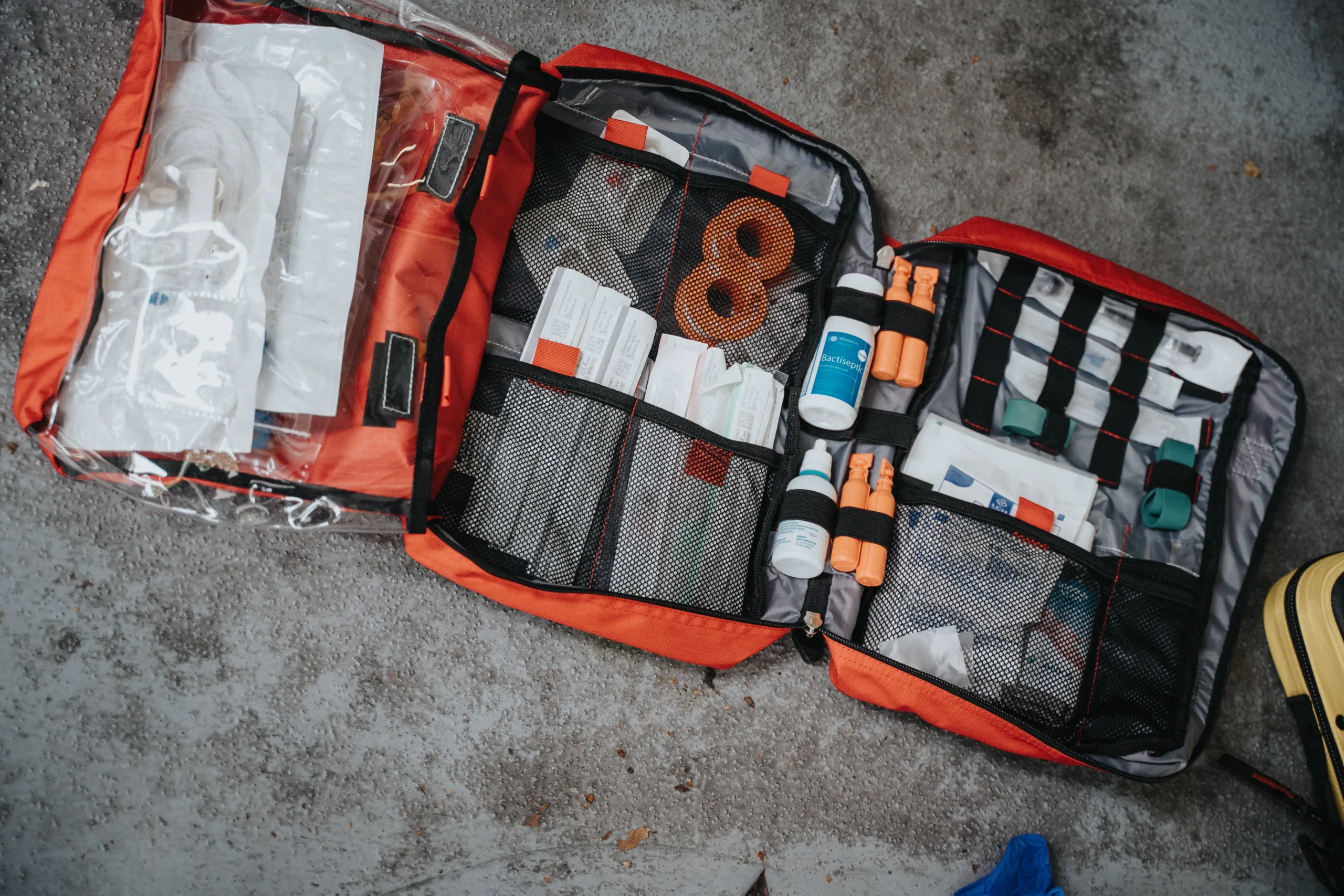
Proper storage is also vital to preserve the effectiveness of the items. Many individuals keep their first aid kits or medications in a bathroom cabinet. However, the heat and moisture from showers, baths, and sinks can decrease medication’s potency or result in them spoiling before the expiration date. So, keep your kit in a cool, dry place, and periodically review its contents to make any necessary updates.
Digital Resources for First Aid
In the age of technology, first aid basics extend beyond physical supplies. Various apps and online resources are designed to offer quick and accessible information, empowering individuals to respond effectively to emergencies. The International Federation of Red Cross and Red Crescent Societies (IFRC) offers comprehensive guidance on their website, and they also provide a first aid application that can be a valuable tool in emergencies.
Midlands goes beyond traditional first aid support by providing accessible online resources and telehealth services. Our services enable individuals to consult with medical professionals remotely, ensuring timely guidance for conditions requiring first-aid response or other non-emergency situations. By connecting virtually with our medical professional, you can receive prescriptions and referrals electronically if needed and benefit from follow-up appointments for continuous care.
Children’s First Aid
When it comes to children, first aid basics take on a specific dimension. Ensure your first aid kit includes child-sized bandages, liquid pain relievers suitable for their age, and items designed for common childhood injuries. Another thing to consider is to balance accessibility for adults and safety for children in ensuring the effectiveness of your home first aid kit.

Every year, around 35,000 young children end up in the emergency room after they get access to medicines by themselves or experience dosage errors made by adults. To avoid it, carefully read the dosage instructions to ensure safe and effective administration, childproof your household’s first-aid kit, and put it in a secure location to prevent accidental ingestion or misuse.
End Note
Understanding and implementing first aid basics is a responsibility that every household should prioritize. A well-prepared first aid kit, customized to your family’s needs, can make a significant difference in emergencies. Remember, the goal is not only to have a first aid kit but to know how to use it effectively.
However, if you need prompt medical assistance or guidance, don’t hesitate to visit Midlands Urgent Care. Our team is here to ensure your health and safety are top priorities.
As the festive season approaches, the joy and excitement of the holidays often come hand in hand with stress and health concerns. The hustle and bustle of holiday preparations, coupled with the challenges of travel, cold weather, and changes in routine, can take a toll on mental and physical well-being.
This guide will explore practical holiday health and safety tips, addressing critical aspects such as staying happy, healthy, and injury-free this holiday season.
Navigating Holiday Stress
The holiday season, while filled with celebration, can bring stress and anxiety. Stress can show up in different ways, whether it’s the pressure of hosting a gathering, dealing with travel, or feeling sad about leaving pets at home.
The first step to staying on top of your holiday health and safety is recognizing and understanding these stressors. It is okay to feel overwhelmed, and taking steps to manage stress is essential.

Managing holiday stress is vital to maintaining mental and physical health. Simple things, like exercising, getting enough sleep, and making realistic to-do lists, can help. You can also create a routine that includes things you like doing, such as reading, listening to music, or practicing mindfulness. However, if you still feel down, talking to a professional is a good idea.
Healthy Holiday Eating Tips
The holidays are full of tasty foods and drinks at parties and gatherings. While enjoying these treats is okay, being mindful of what you eat for your holiday health and safety is crucial. Some common challenges include eating too many sugary treats, having too much alcohol, and not getting the nutrients or water your body needs.
To keep a healthy balance in your diet during the holidays, try not to go overboard. Put colorful fruits, vegetables, lean proteins, and whole grains on your plate. Choose healthier cooking methods like roasting or grilling, and think about lighter options for traditional dishes.
Also, remember to drink enough water or other fluids. Staying hydrated is essential, especially during festive times. By making thoughtful choices and keeping yourself hydrated, you can have a tasty and health-conscious holiday feast.
Keeping Active in the Colder Weather
The colder weather during the holidays can make it tricky to stay active, resulting in a more sedentary lifestyle. However, regular activity remains crucial for physical and mental health, even when it’s chilly outside.
Try indoor exercises, such as home workout videos or fitness classes, to stay warm and cozy during the colder months. Another fun option is to do winter sports or family-friendly activities like ice skating or sledding that turn the cold season into an opportunity for fun and fitness. If you decide to go outside, dress in layers to stay warm and protect yourself from the cold.

Traveling Safely
Whether traveling near or far, maintaining holiday health and safety is critical. In the era of COVID-19, it’s essential to stay informed about vaccination guidelines and adhere to recommended safety measures according to the WHO or country you’re visiting. Also, prioritize road safety by ensuring your vehicle is in good condition and adhering to traffic regulations when traveling by road.
Pack a travel health kit containing essential items such as medications, first aid supplies, and personal hygiene products to address unexpected health needs. For those with chronic conditions, pack enough prescribed medicines for your trip and carry a list of medications and dosage instructions for emergencies. Include over-the-counter medicines like pain relievers, antacids, and motion sickness pills in your travel health kit for minor health issues during the journey.
Preventing Illness
Holiday gatherings substantially increase the risks of transmitting or catching contagious illnesses. Simple yet effective practices, such as frequent handwashing or avoiding touching the face, can significantly reduce the risk of flu. Also, consider getting an annual flu shot or other vaccines at Midlands Urgent Care to add an extra layer of protection for yourself and others.
If you feel unwell during the holidays, remember to prioritize rest and seek medical attention promptly. Midlands Urgent Care is here to provide sick visit care with no appointment needed, offering professional healthcare support to ensure you recover swiftly and enjoy the season to its fullest.

Learn more about other vaccines recommended by the CDC for specific destinations or countries you are visiting.
End Note
Holidays are meant for celebration and enjoyment, but it is common for people to forget to prioritize their well-being amid festivities. Finding a good balance between treating yourself and taking care of your holiday health and safety is important. Making good choices around stress levels, food, exercise, illness prevention, and travel plans can help ensure you are at your best through this holiday season.
If you do get sick or need medical help, healthcare professionals at Midlands Urgent Care are here to help you get back on your feet so you can continue your holiday fun. We are ready 24/7 without an appointment!
Among the various services, an urgent care facility provides, “urgent care sick visits” are essential. Urgent care visits offer a convenient option for timely medical care for illnesses and injuries requiring prompt attention but not emergencies. When used appropriately, urgent care sick visits can provide many benefits over an emergency room or primary care physician’s office.
This article dives into the advantages of urgent care sick visits, shares practical tips for a smooth visit, and sheds light on additional services available at an urgent care facility like Midlands Family Urgent Care.
What Constitutes ‘Sick Visits’ in Urgent Care?
Urgent care sick visits cover non-life-threatening medical issues that demand immediate attention. These visits address acute problems such as infections, minor injuries, and other illnesses that may not be severe enough for emergency room care but cannot wait for a scheduled appointment. Common ailments treated during urgent care sick visits encompass respiratory infections like colds, strep throat, urinary tract infections, and minor injuries like cuts and sprains.
The Advantages of Urgent Care Sick Visits
Urgent care visits offer benefits over the traditional healthcare landscape, such as:
1. Timely Medical Attention
One of the standout advantages of urgent care sick visits is the emphasis on timely medical attention. In contrast to conventional primary care offices’ rigid schedules, urgent care centers can be accessed on a walk-in basis. This immediate accessibility is particularly valuable for those unable to wait for a scheduled appointment or need assistance beyond regular office hours.

Extended Operating Hours
Most urgent care centers operate 24 hours a day, seven days a week, ensuring continuous medical access when primary physicians’ offices are closed. This flexibility ensures that people can seek medical attention after work or school hours or during holidays when traditional healthcare settings may be closed. The extended hours accommodate the unpredictability of health issues, providing a convenient alternative to conventional office hours.
Cost-efficiency
Compared to emergency room visits, urgent care is more cost-effective. This affordability makes urgent care a smart choice for those without insurance or seeking to minimize out-of-pocket expenses.
Comprehensive Care
Urgent care services go beyond addressing immediate illnesses and injuries by providing comprehensive care. From diagnostic tests to sports physicals and weight loss treatments, urgent care covers a broad spectrum of health needs.
4 Tips to Ensure a Smooth Urgent Care Visit
1. Know What to Bring
Make your urgent care sick visit smoother by coming prepared. Bring your identification, insurance details, and a list of your current medications. Also, for minors, bring proof of guardianship. This simple step speeds up the check-in process and ensures the medical staff has all the information they need to provide efficient care.
2. Be Clear About Your Symptoms
When meeting with healthcare professionals during your urgent care visit, clearly communicate your symptoms. Share information about when your symptoms first appeared, their severity, and any factors that might worsen or alleviate them. Clear communication is crucial for accurate diagnosis and prompt treatment.

3. Follow up When Necessary
After your urgent care sick visit, follow up as needed. If prescribed medications, take them as directed, and if symptoms persist or worsen, do not hesitate to follow up by seeking additional medical attention.
4. Utilize Online Tools
Take advantage of online tools offered by urgent care centers, such as virtual visits or appointment scheduling. These tools can help you save time and minimize wait times at the facility. Also, you can access many informative articles on your urgent care’s website to stay well-informed about your health.
Beyond Sick Visits: Other Services at Midlands Family Urgent Care
Injury Treatments
In addition to sick visits, Midlands Family Urgent Care offers services for treating injuries such as fractures, sprains, and minor lacerations. The experienced medical staff can assess and provide appropriate care for a variety of injuries.
Lab Work
For diagnostic purposes, Midlands Family Urgent Care offers on-site lab work services. This lab work allows for quick and accurate testing, facilitating a comprehensive understanding of your health condition.
Rapid Testing (COVID-19 flu, etc.)
Given the challenges distinguishing symptoms between colds, flu, and COVID-19, rapid testing at urgent care centers becomes even more essential for accurate and timely diagnosis. These tests play a key role in promptly identifying and treating these conditions.
Sports Physicals
Midlands Family Urgent Care also offers sports physicals for those who participated in sports. These assessments guarantee that athletes are in good health and fit to engage in their chosen sports.
End Note
Choosing urgent care sick visits is not just about convenience; it is a practical approach to timely and efficient healthcare. These visits bridge the gap between emergencies and scheduled appointments, offering swift attention when needed.
If you need an urgent care sick visit or any other comprehensive services, visit Midlands Family Urgent Care directly or virtually for timely attention and a holistic approach to your well-being!
A sudden illness or injury can leave you unsure about what to do next. Do you wait it out, schedule a doctor’s appointment, visit urgent care, or head straight to the emergency room?
Many people end up in the ER when they don’t actually need emergency-level care, while others delay treatment when they should seek help immediately. Knowing the difference can save you time, money, and unnecessary stress.
Understanding when to choose urgent care vs the ER helps ensure you receive the right level of medical attention at the right time.
Understanding the Difference Between Urgent Care and the ER
Urgent care centers treat medical issues that need prompt attention but are not life-threatening. They bridge the gap between primary care and emergency care by providing same-day treatment for common illnesses and minor injuries.
Emergency rooms are designed for severe, life-threatening, or rapidly worsening medical conditions. ERs are equipped with advanced imaging, emergency specialists, and life-saving equipment to handle critical situations immediately.
In many cases, the severity of your symptoms is the clearest sign of where you should go.
When Urgent Care Is Usually the Right Choice
Urgent care is often the best option when your condition cannot wait for a regular doctor’s appointment but is not considered an emergency.
Common reasons to visit urgent care include:
- Cold and flu symptoms
- Sore throat or strep throat concerns
- Ear infections
- Sinus infections
- Mild allergic reactions
- Urinary tract infections (UTIs)
- Minor burns or cuts
- Sprains and minor fractures
- Mild fevers
- Vomiting or diarrhea without severe dehydration
Urgent care centers can also provide X-rays, rapid testing, and basic treatment for many everyday illnesses and injuries.
For non-emergency situations, urgent care is often faster and more affordable than the ER.
When You Should Go to the Emergency Room
The emergency room is the right choice when symptoms are severe, sudden, or potentially life-threatening.
Go to the ER or call emergency services immediately if you experience:
- Chest pain or pressure
- Difficulty breathing or shortness of breath
- Signs of a stroke
- Severe head injuries
- Loss of consciousness
- Heavy bleeding that will not stop
- Severe burns
- Major injuries from accidents
- Sudden confusion or seizures
- Severe allergic reactions affecting breathing
If symptoms are rapidly worsening or feel dangerous, it is always safer to seek emergency care.
Common Situations: Urgent Care vs the ER
Sometimes symptoms fall into a gray area. Looking at common examples can help make the decision easier.
| Situation | Best Place to Go | Possible Cause |
|---|---|---|
| Persistent cough, sore throat, and a low-grade fever in an otherwise healthy adult | Urgent Care | Likely a minor illness that needs same-day care but is not dangerous. |
| Sudden chest pain with shortness of breath and sweating | ER | Could signal a heart attack or another life-threatening emergency. |
| Sprained ankle, still able to walk with pain | Urgent Care | The injury is painful, but you can still bear weight, suggesting it may not be severe. |
| Ankle injury with visible deformity or bone breaking the skin | ER | Higher risk for a serious fracture, blood loss, or complications. |
| Mild rash without breathing trouble | Urgent Care | Usually non-urgent and can be treated quickly. |
| Rash plus swelling of the lips or tongue or difficulty breathing | ER | Could be a severe allergic reaction affecting the airway. |
Considering Cost and Wait Times
Urgent care centers are often more convenient for non-emergency situations.
Many patients choose urgent care because:
- Wait times are typically shorter
- Costs are usually lower than ER visits
- Evening and weekend hours are available
- Walk-in appointments are common
Emergency rooms prioritize the most critical patients first, which means less severe conditions may wait longer for treatment.
If your condition is stable and non-life-threatening, urgent care is often the more practical option.
Pay Attention to How Symptoms Change
One important question to ask yourself is:
- Could this become dangerous if I wait?
If the answer is yes or you are unsure, emergency care is usually the safest choice.
Symptoms that worsen quickly, spread suddenly, or involve breathing, consciousness, or chest pain should never be ignored.
On the other hand, conditions that are uncomfortable but stable often fit urgent care well.
When Your Primary Care Doctor May Be the Best Choice
Not every health issue requires urgent care or the ER.
Primary care providers are usually the best option for:
- Routine checkups
- Medication refills
- Stable chronic conditions
- Long-term symptom management
- Follow-up visits
- Preventive care
Many primary care offices also offer same-day sick appointments or nurse triage services for guidance.
Special Considerations for Children and Older Adults
Children can often be treated at urgent care for:
- Ear infections
- Mild fevers
- Sore throats
- Minor injuries
- Common illnesses
However, infants with fever, breathing problems, or unusual behavior should usually be evaluated in the ER.
Older adults and individuals with chronic health conditions should also be more cautious because symptoms may become serious more quickly.
Chest pain, shortness of breath, sudden weakness, or confusion in these groups should generally be treated as emergencies.
Frequently Asked Questions
Is urgent care cheaper than the ER?
Yes. Urgent care visits are typically much less expensive than emergency room visits for non-life-threatening conditions.
Can urgent care treat broken bones?
Urgent care centers can often evaluate and treat minor fractures or sprains using X-rays and splints. Severe injuries may still require ER care.
Should I go to urgent care for flu symptoms?
Yes, urgent care is a common choice for flu symptoms, fevers, sore throats, and respiratory illnesses that are not severe emergencies.
When should breathing problems go to the ER?
Difficulty breathing, severe wheezing, blue lips, or worsening shortness of breath should always be treated as emergencies.
What if I am unsure where to go?
If symptoms feel severe, dangerous, or rapidly worsening, choose the ER. If the issue needs prompt care but is stable, urgent care is often appropriate.
Midlands Family Urgent Care | Walk-In Urgent Care Clinics in Omaha, NE
At Midlands Family Urgent Care, we provide fast, convenient care for non-life-threatening illnesses and injuries with walk-in availability and extended hours.
Our experienced medical team treats a wide range of conditions, including:
- Cold and flu symptoms
- Ear infections and sore throats
- Minor injuries and sprains
- Cuts requiring stitches
- UTIs and mild allergic reactions
- X-rays and rapid testing
We proudly serve Papillion, La Vista, and the surrounding communities with prompt, compassionate medical care when you need it most.
If you need same-day medical attention and your condition is not life-threatening, visit Midlands Family Urgent Care today.
Tick activity is drawing increased attention this season after a recent WOWT report noted that ER visits for tick bites are at their highest levels since 2017, according to the CDC’s Tick Bite Tracker. As more people spend time outdoors, health officials are emphasizing awareness around prevention, early symptom recognition, and when medical care is needed.
Tick exposure often increases during weekends spent at local parks, lakes, campgrounds, trails, and other outdoor recreational areas around Omaha. Whether you are hiking, fishing, gardening, or walking pets through grassy areas, it is important to know how quickly you should respond after finding a tick attached to your skin.
What Happens Right After a Tick Bite Matters
The first few hours after discovering a tick are often the most important. Many bites do not cause illness, especially when the tick is removed quickly and properly.
If the tick is still attached, it should be removed as soon as possible using fine-tipped tweezers. Grasp the tick close to the skin and pull upward with steady pressure. Avoid twisting or applying heat or chemicals, as these can increase irritation.
After removal, the skin should be cleaned with soap and water. Even when the tick is removed successfully, the bite site should be watched over the following days for any changes.
Signs That Shouldn’t Be Ignored After a Tick Bite
Some tick bites remain harmless, but others may lead to infection or illness. Symptoms do not always appear right away, which is why awareness in the days and weeks after a bite is important.
Medical attention at an urgent care clinic near you is recommended if any of the following occur:
- The tick cannot be fully removed
- The bite area becomes increasingly red, swollen, or painful
- A rash develops, especially one that spreads or resembles a bullseye pattern
- Fever or chills appear
- Headaches, fatigue, or muscle aches develop
- Swollen lymph nodes are noticed
- The tick may have been attached for 24–48 hours or longer
These symptoms may indicate a tick-borne illness such as Lyme disease, which is easier to manage when addressed early.
Why Urgent Care Is the Right Next Step for Most Tick Bites
Not every tick bite requires emergency care, even when symptoms are present. In most cases, urgent care is the appropriate setting for evaluation and treatment.
Visiting urgent care can provide:
- Faster evaluation compared to emergency rooms
- Assessment of symptoms and risk factors
- Safe removal assistance if needed
- Guidance on monitoring and follow-up care
- Treatment recommendations if infection is suspected
At Midlands Family Urgent Care, providers can evaluate the bite, check for signs of infection, and determine whether additional care or medication is needed.
Emergency rooms are generally best reserved for severe or life-threatening medical situations. Tick bites, even when concerning, are typically managed more appropriately in an urgent care setting.
Everyday Outdoor Exposure in Nebraska
Tick encounters are often tied to routine outdoor activities rather than remote hiking alone. In Nebraska, exposure can happen during everyday activities such as mowing the lawn, walking pets, fishing, camping, or spending time at neighborhood parks and lakes.
Ticks tend to attach in hidden areas such as behind the knees, around the waistline, underarms, ankles, and scalp. Because bites can go unnoticed at first, routine checks after outdoor time are an important habit for both people and pets.
Reducing Risk Before and After Going Outdoors
Prevention plays a key role in lowering the chance of tick bites, especially during peak outdoor seasons.
Helpful precautions include:
- Wearing long sleeves and pants in grassy or wooded areas
- Using EPA-approved insect repellent
- Staying on clear, maintained paths when hiking
- Avoiding tall grass and dense brush when possible
- Checking the body and clothing after outdoor activities
- Showering soon after returning indoors
- Inspecting pets for ticks around ears, collars, and legs
These steps reduce the chance of ticks attaching and help ensure they are found quickly if exposure occurs.
When to Get Checked at Midlands Family Urgent Care
If you are unsure about a tick bite, develop symptoms, or were unable to remove a tick completely, seeking medical evaluation can provide clarity and peace of mind.
Midlands Family Urgent Care offers prompt evaluation and treatment for tick bites and other non-emergency conditions, helping patients get care without the delays often associated with emergency rooms.
Midlands Family Urgent Care | Walk-In Urgent Care Clinics in Omaha, NE
At Midlands Family Urgent Care, we provide fast, convenient care for non-life-threatening illnesses and injuries with walk-in availability and extended hours.
Our experienced medical team treats a wide range of conditions, including:
- Cold and flu symptoms
- Ear infections and sore throats
- Minor injuries and sprains
- Cuts requiring stitches
- UTIs and mild allergic reactions
- X-rays and rapid testing
We proudly serve Papillion, La Vista, and the surrounding communities with prompt, compassionate medical care when you need it most.
If you need same-day medical attention and your condition is not life-threatening, visit Midlands Family Urgent Care today.