
What are The Differences Between ER and Urgent Care?
Experiencing sudden chest pain or sleepless nights due to an earache can be daunting, and it’s natural to feel unsure whether to visit an emergency room (ER) or an urgent care center. This confusion is common, and it’s essential to understand the differences between the two facilities.
To make an informed decision, learning about the differences between an ER and urgent care is important. Continue reading the article below to gain a better understanding.
The Differences Between ER and Urgent Care
What is an ER?

An emergency room (ER), or an emergency department (ED), is a medical facility designed to provide immediate and urgent care to patients with acute medical conditions or injuries requiring close attention.
ER is available 24 hours a day, 365 days a year, and fully staffed by specially trained medical professionals, such as emergency physicians, and nurses that are equipped with a wide range of medical equipment and supplies to save lives in the immediate.
Patients are typically triaged upon arrival and receive immediate attention. Patients may be treated and released, admitted to the hospital for further care, or transferred to another facility if necessary.
What is an Urgent Care Center?

An urgent care center is a medical facility that provides walk-in medical care for patients with non-life-threatening illnesses. Typically, an urgent is a community medical facility outside a traditional hospital-based or emergency room (ER).
Most urgent care centers are open 7 days a week and available outside of regular business hours. Some centers are even open on holidays. This makes them a convenient option, especially when primary clinics or physician offices may be closed. Similar to an ER, an urgent care center is staffed by a team of medical professionals trained to diagnose and treat a wide range of non-life threatening medical conditions, such as physicians, physician assistants, nurses, and other support staff.
Examples of What You Would Go to ER and Urgent Care For
Deciding whether to go to an ER or an urgent care center depends on the severity of your medical condition.
According to UChicago Medicine, here are some examples of situations where you should go to an emergency room:
- Chest pain or pressure: this could be a sign of a heart attack or other cardiac condition. Do not think twice. Go to the ER immediately.
- Difficulty breathing: this could be a sign of a serious respiratory condition.
- Severe or persistent abdominal pain: this could be a sign of a serious medical condition, including appendicitis (right lower abdominal pain), kidney stones, and other abdominal conditions.
- Severe headache: if this condition is accompanied by a loss of consciousness, nausea, or vomiting, increased intracranial pressure is suspected.
On the other hand, here are some examples of situations where you might attend an urgent care center:
- Minor injuries include sprains, strains, or small cuts requiring stitches.
- Common respiratory tract infections include cold, flu, and strep throat.
- Eye infections or minor injuries.
- Minor burns or sunburns.
- Urinary tract infections or sexually transmitted diseases (STDs).
- Mild allergic reactions, such as rashes, hives, or mild swelling.
- Minor skin conditions, such as acne, dermatitis, or eczema.
- Mild asthma attacks.
The Services Midlands Urgent Care Offers
Midlands Urgent Care fills the gap between an ER and doctor’s offices by offering immediate care for urgent non-life threatening conditions 7 days a week with no appointment needed.

Our services include:
- Minor illnesses treatment
- Injuries and burns treatment
- Lab and drug testing
- Sports physical therapy
- Respiratory tract infections
- X-rays
- STI/STD and UTI treatment.
If you would like to like to learn more about our services in-depth, please click here.
End Note
An ER is a medical facility designed to provide immediate care to patients with life-threatening conditions or injuries that require prompt attention. In contrast, an urgent care center is a medical facility that offers walk-in medical care for patients with non-life-threatening illnesses that need to be addressed in a timely manner.
It’s important to note that urgent care centers are not a substitute for emergency care as they don’t have the same equipment or trained staff as an ER. However, they are a reliable option for minor injuries or illnesses that cannot wait until tomorrow.
Our Omaha-based medical professionals at Midlands Family Urgent Care provide a variety of healthcare services ranging from sick visits to walk-in sports physicals. To learn more about Midlands Family Urgent Care, please contact us today!

Disclaimer: The information presented in this blog post is for educational purposes only and should not be used as a substitute for professional medical advice, diagnosis, or treatment. Any reliance you place on the information presented in this blog post is therefore strictly at your own risk.
Always seek the advice of your physician or other qualified healthcare providers with any questions you have regarding a medical condition or treatment. The author and publisher of this blog post make no representation or warranties of any kind, express or implied, about the completeness, accuracy, reliability, suitability, or availability with respect to the information contained in this blog post for any purpose.
In no event will the author or publisher be liable for any loss or damage including without limitation, indirect or consequential loss or damage, or any loss or damage whatsoever arising from the use of or reliance on the information presented in this blog post.
In the pursuit of a healthier and more fulfilling life, knowledge is undoubtedly power. When it comes to your health, this rings truer than ever. One crucial aspect of this knowledge is understanding your numbers, referring to specific medical measurements and test results that provide insights into your overall well-being. This practice empowers individuals to make informed decisions about their health, potentially detecting issues early and preventing severe complications.

Why You Should Know Your Numbers in Healthcare
1. Early Detection Saves Lives:
One of the most compelling reasons to know your numbers is the potential to detect health issues at an early, more treatable stage. Conditions like high blood pressure, high cholesterol, and diabetes often show no symptoms in their early phases. Regular monitoring of relevant numbers can alert you and your healthcare provider to deviations from the norm, prompting early intervention and preventing disease progression.
2. Personalized Health Management:
Each person’s health journey is unique, and knowing your numbers allows you to tailor your healthcare decisions to your specific needs. For instance, if you have a family history of heart disease, monitoring your cholesterol levels becomes essential. Understanding your numbers helps you and your healthcare team develop a personalized plan to maintain or improve your health.
3. Preventive Care:
When you know your numbers in healthcare, you can take proactive steps to prevent potential health problems. Lifestyle modifications such as dietary changes, exercise routines, and stress reduction can be tailored to address specific issues indicated by your numbers, reducing the risk of future complications.
4. Peace of Mind:
Ignorance can breed anxiety and uncertainty. Knowing your numbers provides peace of mind and a sense of control over your health. Rather than fearing the unknown, you can take charge of your well-being with confidence.

Which Numbers Should You Know?
Understanding which numbers to track is crucial for comprehensive health management. Here are some of the key numbers you should be aware of:
- Blood Pressure: High blood pressure (hypertension) is a silent killer, contributing to heart disease and stroke. Knowing your blood pressure numbers can help you manage and reduce this risk.
- Cholesterol Levels: High levels of LDL (“bad”) cholesterol and low levels of HDL (“good”) cholesterol are associated with heart disease. Monitoring these numbers helps assess cardiovascular health.
- Blood Sugar Levels: Elevated blood sugar levels can indicate diabetes or prediabetes. Regular monitoring can lead to early detection and effective management.
- Body Mass Index (BMI): BMI assesses your body’s weight about your height and is used to gauge obesity and associated health risks.
- Waist Circumference: Abdominal fat can be a risk factor for heart disease and other health conditions. Measuring your waist circumference can provide valuable information.
- Cancer Screenings: Depending on your age and gender, you may need regular screenings such as mammograms, colonoscopies, or prostate-specific antigen (PSA) tests.
- Bone Density: Bone density tests help assess the risk of osteoporosis, a condition that weakens bones and increases the risk of fractures.
- Immunization Records: Keeping track of your immunization history ensures you are up-to-date on vaccines, protecting yourself and others from preventable diseases.
- Vitamin and Mineral Levels: Monitoring levels of essential nutrients like vitamin D, B12, and iron can help address deficiencies and optimize overall health.
- Mental Health Metrics: Factors such as stress levels, sleep quality, and emotional well-being are critical for mental health. Regularly assessing these aspects can lead to early intervention when necessary.

When you know your numbers in healthcare, you will be on the path to maintaining good health. Regular check-ups with a healthcare provider and open communication about your health goals and concerns can guide you on the path to well-being. Embrace the power of knowledge and take control of your health by staying informed about your numbers – the key to a healthier, happier life.
Get Started Today with Midlands Family Urgent Care:
Midlands Family Urgent Care is dedicated to your well-being and journey towards healthier living. If you have further inquiries or require personalized guidance, don’t hesitate to reach out to our experienced team. Your wellness is our priority.
Disclaimer: The information presented in this blog post is for educational purposes only and should not be used as a substitute for professional medical advice, diagnosis, or treatment. Any reliance you place on the information presented in this blog post is therefore strictly at your own risk.
Always seek the advice of your physician or other qualified healthcare providers with any questions you have regarding a medical condition or treatment. The author and publisher of this blog post make no representation or warranties of any kind, express or implied, about the completeness, accuracy, reliability, suitability, or availability concerning the information contained in this blog post for any purpose.
In no event will the author or publisher be liable for any loss or damage including without limitation, indirect or consequential loss or damage, or any loss or damage whatsoever arising from the use of or reliance on the information presented in this blog post.
Do you have symptoms that could be connected to the flu or an allergy? Or COVID-19? Maybe it’s just a simple cold! It’s hard to know exactly what issue you may be facing as many of these symptoms are the same. However, there are some more discreet differences and fortunately Urgent Care can help!
According to the CDC, adults in the US experience an average of 2-3 colds per year, while children may have as many as 6-8. On the other hand, allergies are a year-round concern, with an estimated 50 million Americans experiencing them. The flu is generally a lot more serious, but not as frequently caught, with the average person experiencing it up to two times every ten years.
Colds and seasonal allergies affect the respiratory system, but the two are very different. Allergies result from an overactive immune response to the allergen, which can be harmless substances like pollen or dust. On the contrary, colds, the flu, and COVID-19 are caused by a viral infection.
Due to their impact on the same system, these four conditions can exhibit similar symptoms, such as sneezing, coughing, and runny nose, which makes it challenging to differentiate between them.
Distinguishing between these four is crucial for selecting the appropriate treatment and managing the condition effectively. Keep reading to learn the difference between a cold, the flu, allergies, and COVID-19.
Difference Between a Cold, the Flu, Allergies, and COVID-19:

Duration of Symptoms
One of the most significant ways to tell the difference between a cold, the flu, allergies, and COVID-19 is the duration of symptoms. For example, a cold typically lasts 7-10 days, the flu lasts 5-7 days, and COVID-19 symptoms can persist for weeks, but allergies can last for weeks or months, especially when it comes to seasonal allergies.
Severity of Symptoms
One key difference is that the flu and COVID-19 can cause aches, pains, and fever, while allergies and the cold typically do not. Allergies usually cause more sneezing, itching, runny nose, and itchy red watery eyes, whereas a cold may leave you with a cough, runny nose, and a sore throat.
The common cold also tends to produce thicker, discolored mucus, whereas allergies typically result in clear, thin, watery mucus.
Time of Year
Colds, flu, and COVID-19 happen more in the winter because these viruses thrive in cold environments. As we spend more time indoors, the virus is able to survive longer and be passed around easily.
Allergies can happen in the spring/summer or during seasonal changes when trees, grasses, and weeds release environmental allergens, such as pollen. In addition, seasonal changes can also lead to changes in humidity, temperature, and air quality, which can aggravate allergies by allowing the growth of specific allergens, such as mold.
Is Cold Medicine Helping?

Cold medicine is not specifically designed to treat allergies. Although some symptoms of cold and allergies are similar, such as sneezing and runny nose, the underlying causes differ.
Cold medicine is typically intended to alleviate the symptoms of a cold, such as congestion, cough, and sore throat. These medicines may contain ingredients, such as antihistamines, decongestants, and pain relievers, which can relieve some of the symptoms that also occur with allergies.
If you are experiencing allergy symptoms, it is best to consult with a healthcare professional to determine the best course of treatment. They may recommend a specific measure, such as avoiding allergens, or allergy-specific medication, such as antihistamines, nasal corticosteroids, or decongestants.
They may also recommend allergen immunotherapy or allergy shots for severe allergies or not completely resolved by other treatments.
How can Urgent Care help?
Urgent Care facilities like Midlands Family Urgent Care are a useful resource for getting you back to your healthy self! Here are some of the key ways they can help:
Assessment and Diagnosis
Urgent care centers have medical professionals who can evaluate you and can help you tell the difference between a cold, the flu, allergies, or COVID-19 symptoms.
Testing
Urgent care facilities often offer various diagnostic tests, including rapid antigen tests or molecular tests (such as PCR tests) to check for COVID-19 and the flu. They can perform the necessary swabs or collect samples to help identify the specific cause of your symptoms.
Treatment
Depending on the diagnosis, urgent care providers can recommend appropriate treatment options. These may include a combination of over-the-counter medication to help with symptoms to prescribed medications for more severe symptoms.
Referrals
If your condition requires more specialized care, urgent care centers can refer you to appropriate healthcare providers, such as primary care physicians, specialists, or hospitals, depending on your needs.
End Note
We hope these key indicators will help you tell the difference between a cold, the flu, allergies, or COVID-19.To receive the most suitable treatment, it is advisable to consult a healthcare professional, like at Midlands Family Urgent Care.
If you are currently experiencing any symptoms, do not hesitate to seek additional help. Reach out to Midlands Family Urgent Care today for extra assistance and support in managing your symptoms.
Deciding when to visit an urgent care versus the emergency room or seeing a primary care physician is critical to getting timely, quality care. The process involves assessing symptoms, considering urgency, and weighing available healthcare options.
This article explores the rise of urgent care in bridging the gap between primary care and emergency room (ER) services, the factors influencing the decision when to visit urgent care, its benefits, and the limitations individuals should be aware of.
The Rise of Urgent Care in Modern Healthcare

Urgent care clinics have become popular recently, filling a critical healthcare gap between primary care providers and emergency rooms.
Primary care offices are not always equipped to handle same-day appointments or after-hours needs. In contrast, emergency rooms focus on life-threatening injuries and illnesses and often have long wait times. Urgent care fills this void by providing walk-in appointments and after-hours care for non-life-threatening conditions that still require timely treatment. The accessibility and convenience of urgent care make it an appealing option for many common illnesses and injuries.
Deciding When To Visit Urgent Care
1. Non-life-threatening situations
Knowing when to visit urgent care is essential, especially in non-life-threatening situations. Minor illnesses such as colds or flu, urinary tract infections or sexually transmitted diseases (STDs), and common injuries like minor cuts and bruises can be effectively treated at urgent care centers. These facilities are equipped to tackle a wide range of medical issues promptly, providing a quicker alternative to scheduling an appointment with a primary care physician.
2. After-hours primary care needs
When primary care offices are closed, and waiting until the next business day is not an option, urgent care becomes a convenient choice. Urgent care centers operate during extended hours to cater to after-hours primary care needs, whether a sudden cold, persistent cough, or other acute but non-emergency conditions.
 3. Minor injuries and ailments
In cases of minor injuries and ailments such as sprains, minor burns, or allergies, urgent care is an excellent option. These centers offer immediate attention and care without the prolonged wait times often associated with emergency rooms. Unlike emergency rooms with long wait times, urgent care ensures a quicker resolution and relief for the patient.
4. Routine medical services
Urgent care goes beyond just helping with urgent issues; it also covers routine medical services. Whether you need regular check-ups, vaccinations, or other preventive care, urgent care centers have you covered. This flexibility makes urgent care a convenient choice for various healthcare needs.
Benefits of Visiting Urgent Care
Faster service: In considering when to visit urgent care, remember that quick service is one of its primary benefits. Patients can easily walk in without an appointment and receive timely medical attention. This speed is beneficial if you have minor illnesses or injuries and need care immediately.
Cost-effective: Visiting urgent care is often more cost-effective than going to an emergency room for non-life-threatening situations. With lower copays and fees, urgent care provides an affordable alternative without compromising the quality of care.
Accessibility and convenience: Urgent care centers are conveniently placed in communities for easy access. With extended hours, including evenings and weekends, patients can get medical help without interrupting their daily schedule. This accessibility and convenience make urgent care a practical and user-friendly choice for many people.
Comprehensive care: Urgent care centers offer comprehensive care beyond treating acute illnesses and injuries. They provide various services, including diagnostic tests, sick visits, and sports physicals. This holistic approach contributes to the overall well-being of patients.

Knowing the Limitations: When NOT to Visit Urgent Care
Urgent care is a valuable resource but is not always the go-to for every situation. Life-threatening emergencies, such as heart attacks or severe injuries, require immediate attention at an emergency room or by calling 911. Urgent care is not equipped for these critical situations.
Moreover, individuals with long-term chronic conditions are better served by a primary physician who can provide ongoing and specialized care. So, be aware of when to visit urgent care and when to visit others, like the ER or primary care physician.
Midlands Family Urgent Care: Committed to Accessible and Quality Healthcare
At Midlands Family Urgent Care, our team is committed to providing accessible and good quality healthcare to the community. Our dedication is exemplified through:
Trained medical professionals: Midlands Family Urgent Care is staffed with skilled and experienced medical professionals, ensuring patients receive the highest quality care.
Modern facilities: Our center utilizes the latest technology and equipment to give accurate diagnoses and effective treatments in a comfortable environment.
Patient-centric: Putting patients first is our core principle. The focus on patient-centric care ensures that individuals feel heard, respected, and well-cared for during their visit. This commitment extends to every aspect of the urgent care experience. We want you and your family to feel happy and healthy!

End Note
As urgent care continues to play an expanding role in the healthcare system, understanding when to visit urgent care versus when to call the primary care office or go to the emergency room is key to getting the proper care at the right place. Urgent care fills a significant gap, providing timely, affordable, and professional care for most common injuries and illnesses.
If you have decided when to visit urgent care, do not hesitate to take the next step. Schedule your visit now and experience accessible, quality healthcare at Midlands Family Urgent Care.
Among the various services, an urgent care facility provides, “urgent care sick visits” are essential. Urgent care visits offer a convenient option for timely medical care for illnesses and injuries requiring prompt attention but not emergencies. When used appropriately, urgent care sick visits can provide many benefits over an emergency room or primary care physician’s office.
This article dives into the advantages of urgent care sick visits, shares practical tips for a smooth visit, and sheds light on additional services available at an urgent care facility like Midlands Family Urgent Care.
What Constitutes ‘Sick Visits’ in Urgent Care?
Urgent care sick visits cover non-life-threatening medical issues that demand immediate attention. These visits address acute problems such as infections, minor injuries, and other illnesses that may not be severe enough for emergency room care but cannot wait for a scheduled appointment. Common ailments treated during urgent care sick visits encompass respiratory infections like colds, strep throat, urinary tract infections, and minor injuries like cuts and sprains.
The Advantages of Urgent Care Sick Visits
Urgent care visits offer benefits over the traditional healthcare landscape, such as:
1. Timely Medical Attention
One of the standout advantages of urgent care sick visits is the emphasis on timely medical attention. In contrast to conventional primary care offices’ rigid schedules, urgent care centers can be accessed on a walk-in basis. This immediate accessibility is particularly valuable for those unable to wait for a scheduled appointment or need assistance beyond regular office hours.

Extended Operating Hours
Most urgent care centers operate 24 hours a day, seven days a week, ensuring continuous medical access when primary physicians’ offices are closed. This flexibility ensures that people can seek medical attention after work or school hours or during holidays when traditional healthcare settings may be closed. The extended hours accommodate the unpredictability of health issues, providing a convenient alternative to conventional office hours.
Cost-efficiency
Compared to emergency room visits, urgent care is more cost-effective. This affordability makes urgent care a smart choice for those without insurance or seeking to minimize out-of-pocket expenses.
Comprehensive Care
Urgent care services go beyond addressing immediate illnesses and injuries by providing comprehensive care. From diagnostic tests to sports physicals and weight loss treatments, urgent care covers a broad spectrum of health needs.
4 Tips to Ensure a Smooth Urgent Care Visit
1. Know What to Bring
Make your urgent care sick visit smoother by coming prepared. Bring your identification, insurance details, and a list of your current medications. Also, for minors, bring proof of guardianship. This simple step speeds up the check-in process and ensures the medical staff has all the information they need to provide efficient care.
2. Be Clear About Your Symptoms
When meeting with healthcare professionals during your urgent care visit, clearly communicate your symptoms. Share information about when your symptoms first appeared, their severity, and any factors that might worsen or alleviate them. Clear communication is crucial for accurate diagnosis and prompt treatment.

3. Follow up When Necessary
After your urgent care sick visit, follow up as needed. If prescribed medications, take them as directed, and if symptoms persist or worsen, do not hesitate to follow up by seeking additional medical attention.
4. Utilize Online Tools
Take advantage of online tools offered by urgent care centers, such as virtual visits or appointment scheduling. These tools can help you save time and minimize wait times at the facility. Also, you can access many informative articles on your urgent care’s website to stay well-informed about your health.
Beyond Sick Visits: Other Services at Midlands Family Urgent Care
Injury Treatments
In addition to sick visits, Midlands Family Urgent Care offers services for treating injuries such as fractures, sprains, and minor lacerations. The experienced medical staff can assess and provide appropriate care for a variety of injuries.
Lab Work
For diagnostic purposes, Midlands Family Urgent Care offers on-site lab work services. This lab work allows for quick and accurate testing, facilitating a comprehensive understanding of your health condition.
Rapid Testing (COVID-19 flu, etc.)
Given the challenges distinguishing symptoms between colds, flu, and COVID-19, rapid testing at urgent care centers becomes even more essential for accurate and timely diagnosis. These tests play a key role in promptly identifying and treating these conditions.
Sports Physicals
Midlands Family Urgent Care also offers sports physicals for those who participated in sports. These assessments guarantee that athletes are in good health and fit to engage in their chosen sports.
End Note
Choosing urgent care sick visits is not just about convenience; it is a practical approach to timely and efficient healthcare. These visits bridge the gap between emergencies and scheduled appointments, offering swift attention when needed.
If you need an urgent care sick visit or any other comprehensive services, visit Midlands Family Urgent Care directly or virtually for timely attention and a holistic approach to your well-being!
As the festive season approaches, the joy and excitement of the holidays often come hand in hand with stress and health concerns. The hustle and bustle of holiday preparations, coupled with the challenges of travel, cold weather, and changes in routine, can take a toll on mental and physical well-being.
This guide will explore practical holiday health and safety tips, addressing critical aspects such as staying happy, healthy, and injury-free this holiday season.
Navigating Holiday Stress
The holiday season, while filled with celebration, can bring stress and anxiety. Stress can show up in different ways, whether it’s the pressure of hosting a gathering, dealing with travel, or feeling sad about leaving pets at home.
The first step to staying on top of your holiday health and safety is recognizing and understanding these stressors. It is okay to feel overwhelmed, and taking steps to manage stress is essential.

Managing holiday stress is vital to maintaining mental and physical health. Simple things, like exercising, getting enough sleep, and making realistic to-do lists, can help. You can also create a routine that includes things you like doing, such as reading, listening to music, or practicing mindfulness. However, if you still feel down, talking to a professional is a good idea.
Healthy Holiday Eating Tips
The holidays are full of tasty foods and drinks at parties and gatherings. While enjoying these treats is okay, being mindful of what you eat for your holiday health and safety is crucial. Some common challenges include eating too many sugary treats, having too much alcohol, and not getting the nutrients or water your body needs.
To keep a healthy balance in your diet during the holidays, try not to go overboard. Put colorful fruits, vegetables, lean proteins, and whole grains on your plate. Choose healthier cooking methods like roasting or grilling, and think about lighter options for traditional dishes.
Also, remember to drink enough water or other fluids. Staying hydrated is essential, especially during festive times. By making thoughtful choices and keeping yourself hydrated, you can have a tasty and health-conscious holiday feast.
Keeping Active in the Colder Weather
The colder weather during the holidays can make it tricky to stay active, resulting in a more sedentary lifestyle. However, regular activity remains crucial for physical and mental health, even when it’s chilly outside.
Try indoor exercises, such as home workout videos or fitness classes, to stay warm and cozy during the colder months. Another fun option is to do winter sports or family-friendly activities like ice skating or sledding that turn the cold season into an opportunity for fun and fitness. If you decide to go outside, dress in layers to stay warm and protect yourself from the cold.

Traveling Safely
Whether traveling near or far, maintaining holiday health and safety is critical. In the era of COVID-19, it’s essential to stay informed about vaccination guidelines and adhere to recommended safety measures according to the WHO or country you’re visiting. Also, prioritize road safety by ensuring your vehicle is in good condition and adhering to traffic regulations when traveling by road.
Pack a travel health kit containing essential items such as medications, first aid supplies, and personal hygiene products to address unexpected health needs. For those with chronic conditions, pack enough prescribed medicines for your trip and carry a list of medications and dosage instructions for emergencies. Include over-the-counter medicines like pain relievers, antacids, and motion sickness pills in your travel health kit for minor health issues during the journey.
Preventing Illness
Holiday gatherings substantially increase the risks of transmitting or catching contagious illnesses. Simple yet effective practices, such as frequent handwashing or avoiding touching the face, can significantly reduce the risk of flu. Also, consider getting an annual flu shot or other vaccines at Midlands Urgent Care to add an extra layer of protection for yourself and others.
If you feel unwell during the holidays, remember to prioritize rest and seek medical attention promptly. Midlands Urgent Care is here to provide sick visit care with no appointment needed, offering professional healthcare support to ensure you recover swiftly and enjoy the season to its fullest.

Learn more about other vaccines recommended by the CDC for specific destinations or countries you are visiting.
End Note
Holidays are meant for celebration and enjoyment, but it is common for people to forget to prioritize their well-being amid festivities. Finding a good balance between treating yourself and taking care of your holiday health and safety is important. Making good choices around stress levels, food, exercise, illness prevention, and travel plans can help ensure you are at your best through this holiday season.
If you do get sick or need medical help, healthcare professionals at Midlands Urgent Care are here to help you get back on your feet so you can continue your holiday fun. We are ready 24/7 without an appointment!
First aid is an emergency response, typically involving simple, life-saving techniques that most people can train to execute with minimal equipment and no previous medical experience. It is essential knowledge for everyone, as emergencies can happen unexpectedly at any time. Having a well-equipped first aid kit at home is a crucial step that enables someone to provide early treatment before seeking professional medical assistance.
In this guide, we will outline the fundamental components of a home first aid kit, additional items recommended by professionals, and specialized considerations for different household needs.
Essential First Aid Kit Contents
First aid basics begin with assembling a comprehensive first aid kit. According to the American Red Cross, an ideal first aid kit should also include absorbent compress dressings, adhesive bandages, adhesive cloth tape, antibiotic ointment packets (approximately 1 gram each), antiseptic wipe packets, aspirin, emergency blanket, breathing barrier (with a one-way valve), pairs of non-latex gloves (size: large), hydrocortisone ointment, gauze roll (roller) bandage, a roller bandage, sterile gauze pads, sterile gauze pads, triangular bandages, and tweezers.
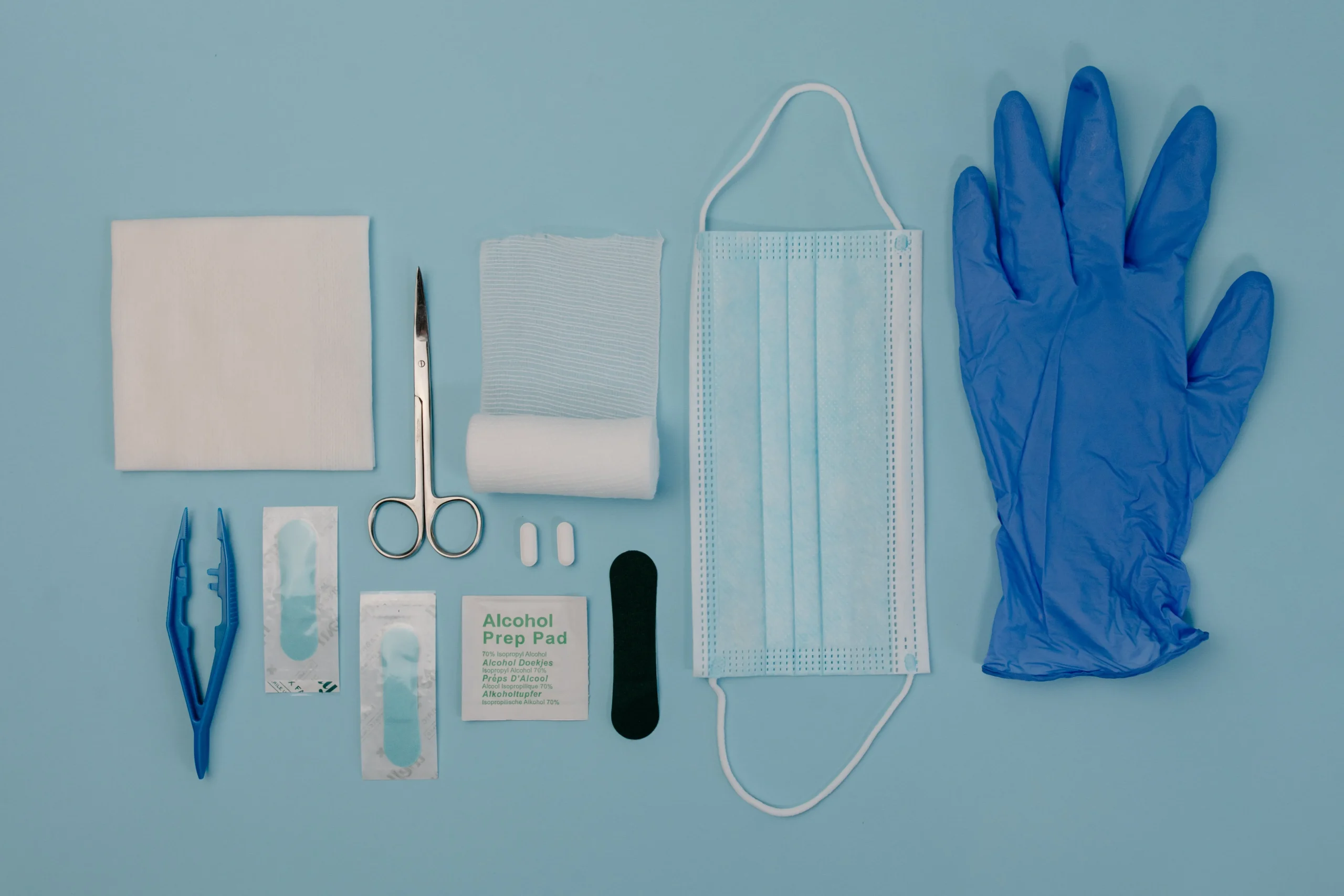
These items are crucial for addressing minor injuries and wounds effectively. Additionally, Midlands professionals recommend including a thermometer and instant cold packs in your kit. A thermometer helps monitor body temperature, while cold packs can be invaluable for treating sprains and strains or reducing swelling.
Specialized Items for Your Kit
Customizing your first aid kit to meet the specific health needs of your household is another crucial aspect of first aid basics. Consider including medications and supplies for chronic conditions that family members may have. These supplies could include prescription medications, inhalers, seizure medications, or EpiPens for individuals with allergies.
If you find yourself in a situation where first aid kits are not readily available, Midlands offers a customized first aid service to address minor injuries, burns, mild illnesses, and more. This service is designed to meet your household’s unique health requirements every day without needing an appointment.
Proper Use of First Aid Supplies
Knowing how to use the items in your first aid kit is as important as having them. Simple instructions for first aid basics can make a significant difference in emergencies. Learn practical skills, such as applying bandages and controlling bleeding, performing CPR, and using any specialized items in your kit. Remember, you are the help until help arrives.
However, it is crucial to recognize the limits of first aid. Limitations include severe injuries such as deep cuts or fractures, persistent and severe chest pain, difficulty breathing, sudden confusion, uncontrolled bleeding, severe burns, and any condition where a person is unconscious or not responsive. In these cases, seeking help promptly by contacting emergency services or visiting the nearest urgent care facility is imperative.
Maintaining Your First Aid Kit
Maintaining your first aid kit is a crucial aspect of first aid basics. Check expiration dates on medications and supplies, and replace anything old or used up. Ensure that all contents are in good condition and that nothing has been damaged. Throw away any supplies that change color, texture, or smell, even if they have not expired.
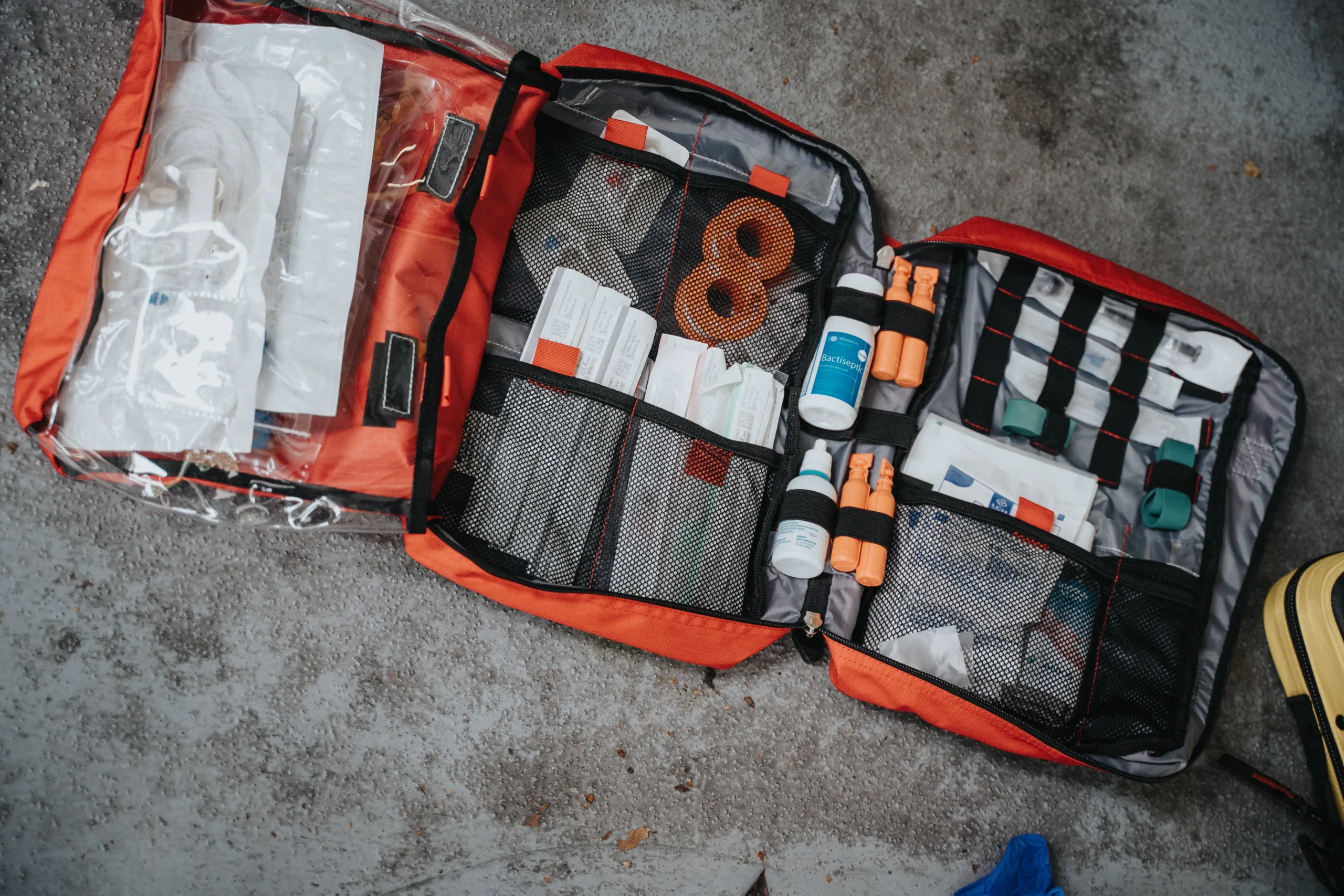
Proper storage is also vital to preserve the effectiveness of the items. Many individuals keep their first aid kits or medications in a bathroom cabinet. However, the heat and moisture from showers, baths, and sinks can decrease medication’s potency or result in them spoiling before the expiration date. So, keep your kit in a cool, dry place, and periodically review its contents to make any necessary updates.
Digital Resources for First Aid
In the age of technology, first aid basics extend beyond physical supplies. Various apps and online resources are designed to offer quick and accessible information, empowering individuals to respond effectively to emergencies. The International Federation of Red Cross and Red Crescent Societies (IFRC) offers comprehensive guidance on their website, and they also provide a first aid application that can be a valuable tool in emergencies.
Midlands goes beyond traditional first aid support by providing accessible online resources and telehealth services. Our services enable individuals to consult with medical professionals remotely, ensuring timely guidance for conditions requiring first-aid response or other non-emergency situations. By connecting virtually with our medical professional, you can receive prescriptions and referrals electronically if needed and benefit from follow-up appointments for continuous care.
Children’s First Aid
When it comes to children, first aid basics take on a specific dimension. Ensure your first aid kit includes child-sized bandages, liquid pain relievers suitable for their age, and items designed for common childhood injuries. Another thing to consider is to balance accessibility for adults and safety for children in ensuring the effectiveness of your home first aid kit.

Every year, around 35,000 young children end up in the emergency room after they get access to medicines by themselves or experience dosage errors made by adults. To avoid it, carefully read the dosage instructions to ensure safe and effective administration, childproof your household’s first-aid kit, and put it in a secure location to prevent accidental ingestion or misuse.
End Note
Understanding and implementing first aid basics is a responsibility that every household should prioritize. A well-prepared first aid kit, customized to your family’s needs, can make a significant difference in emergencies. Remember, the goal is not only to have a first aid kit but to know how to use it effectively.
However, if you need prompt medical assistance or guidance, don’t hesitate to visit Midlands Urgent Care. Our team is here to ensure your health and safety are top priorities.
As we enter the new year, the significance of forming healthy habits takes center stage in pursuing a healthier future. Recent statistics reveal that 72% of adults report engaging in one or more unhealthy behaviors. With preventable chronic diseases on the rise, positive lifestyle changes have become imperative. Small, consistent changes to daily routines can have exponential payoffs in the years ahead.
In this article, we will provide 2024 healthy habit tips that stick. With realistic strategies, everyone can build sustainable health habits all year.
Understanding the Importance of Healthy Habits
2024 healthy habits are not mere resolutions but enduring choices that pave the way for long-term benefits. Beyond the immediate gains, maintaining a healthy lifestyle contributes to overall well-being. The holistic impact spans from enhanced physical fitness and mental resilience to a reduced risk of chronic diseases, ensuring a quality life well into the future.
Nutritional Habits for a Healthy Body
Understanding what to eat can be confusing, but basically, good nutrition is about finding the right balance. A balanced diet ensures that your body receives the proper nutrients, supporting optimal functioning and reducing the risk of chronic diseases.
Incorporate Plant-Based Foods
One of the essential 2024 healthy habits is incorporating more plant-based foods into our diet. As advocated by the American Heart Association (AHA), eating less meat or cutting it off entirely lowers the risk of heart disease, stroke, and obesity. It also combats high blood pressure, cholesterol issues, type 2 diabetes, and various cancers.
For those not used to this diet, it can be challenging to put this into practice. To help make these changes more enjoyable, explore appealing vegetarian recipes and embrace a meatless day each week.
Reduce Processed Foods and Sugars
Equally crucial is the need to reduce processed foods and sugars. According to the CDC, consuming an excess amount of sugar has been associated with weight gain, obesity, type 2 diabetes, and heart disease.
Embracing strategies to cut down on these culprits and finding healthier alternatives empowers individuals to take control of their nutritional intake.

Recent dietary guidelines for Americans advise individuals to limit their consumption of added sugars to below 10% of their total daily caloric intake. Strategies to achieve that are gradually replacing processed foods with whole, nutrient-dense alternatives (fresh fruits, vegetables, and whole grains), paying attention to food labels, planning meals, and swapping sugary snacks for fresh fruits.
Physical Activity and Exercise Trends for 2024
Staying healthy means more than just watching what you eat. It is also about moving your body regularly. Exercise does more than help control weight. It also prevents heart disease, diabetes, and other health problems.
Back then, an exercise required time and effort. However, as the year changes, new trends are emerging, making it easier for everyone to stay healthy.
Home Workout Routines
Home-based exercise routines are gaining momentum, especially after the COVID-19 pandemic. These routines contribute to physical well-being and foster a sense of discipline and consistency. Try a quick workout before work or an entire routine afterward to embrace home-based exercises that align seamlessly with 2024 healthy habits.
Increased Outdoor Activities
Outdoor exercises and activities provide a powerful boost to both physical and mental well-being. Workouts become more enjoyable with the refreshing benefits of fresh air and natural surroundings.
Beyond the physical advantages, spending time outdoors is a natural stress reliever by fostering a positive mood. Whether it is a simple walk, an adventurous hike, or a recreational game, embracing outdoor activities revitalizes the body. It nourishes the mind, promoting overall health and wellness.

Mental Health and Wellness Practices
Mental health can fluctuate over time when a situation placed on an individual surpasses their coping mechanisms. After learning this the hard way during the COVID-19 pandemic, one growing trend is to discuss mental health issues and take proactive wellness steps openly.
Mindfulness and Meditation
Mindfulness and meditation go hand in hand by complementing one another. It has demonstrated effectiveness in reducing anxiety and depression. Moreover, evidence indicates that mindfulness practices can contribute to lowering blood pressure and enhancing sleep quality.
However, paying attention to the present moment can be difficult for most people and requires a lot of practice. Simple ways to practice mindfulness are by doing it every single day through meditation, single-tasking, mindful eating, mindful driving, and gardening.
Digital Detox
In a year dominated by digital devices, a detox is more than a suggestion. It is a necessity. Excessive use of gadgets can lead to a lot of detrimental physical health issues, such as eye strain, headache, and sleep disturbance.
Additionally, being online too much can lead to addiction due to increased levels of dopamine. 2024 healthy habits implore us to take breaks from screens, allowing our minds to reset and recharge. Practical tips include setting priorities, scheduling a daily break from phone usage, turning off notifications, and even using an application to track screen time.
Preventative Health Measures
Regular check-ups and screenings serve as vital tools in maintaining overall well-being. These routine check-ups help detect potential health issues early and allow for prompt treatment, ensuring effective management before conditions escalate.
Individuals can also protect themselves against preventable diseases by staying up-to-date with immunizations, such as annual flu shots. Immunizations are a powerful and effective way to fortify the body’s immune system, ensuring it is well-prepared to confront potential health threats.
Regular Health Check-Ups
To help everyone stay on top of their health, Midlands Family Urgent Care encourages taking preventative health seriously by offering comprehensive services from rapid testing, lab work, and STI testing.
However, Midlands Family Urgent Care also provides prompt treatment when mild illnesses or injuries strike. Sickness visits, from sinus infections and stomach bugs to injuries that need stitches, are available 24 hours, seven days a week, without an appointment needed.
Build and Sustain Healthy Habits
Forming and sticking to 2024 healthy habits requires more than occasional efforts. Keep it simple by taking small steps, like incorporating nutritious foods or a short workout into your day.
Share goals with someone for accountability and celebrate even small achievements to stay motivated. Choose activities you enjoy to make the journey more pleasant and establish a consistent routine for your healthy habits.
Remember, these choices shape a healthier future, and success lies in gradual changes and recognizing the long-term benefits.

End Note
To wrap up, our journey covers nutritional habits, exercise trends, mental health practices, and preventative measures which highlight the importance of a well-rounded approach to stay healthy.
As we look ahead to a healthier future, these practical tips guide those considering 2024’s New Year resolutions. These straightforward steps offer a roadmap for individuals seeking sustainable and impactful habits to make their health resolutions not just a goal but a lasting reality for the year.
Actively manage your health by visiting Midlands Family Urgent Care. Our team is ready to provide comprehensive services and timely care. Your journey to a healthier you starts here!
The Centers for Disease Control and Prevention (CDC) estimates that, so far this season, there have been at least 5.3 million illnesses, 54,000 hospitalizations, and 3,200 deaths from the flu.
As winter unfolds, the prevalence of cold and flu increases, with a noticeable 12.8% rise within a week. Amidst these concerns, understanding how to prevent and treat cold and flu becomes paramount.
This article will provide valuable insights into safeguarding yourself from these illnesses and managing their symptoms effectively.
Understanding Cold and Flu
To understand how to prevent and treat cold and flu, we first must know that they are respiratory infections caused by different viruses but share similar symptoms. Common symptoms include coughing, sneezing, congestion, body aches, and fatigue.
Both are highly contagious and mainly transmitted via respiratory droplets released when an infected individual speaks, coughs, or sneezes. Influenza viruses exclusively cause the flu, whereas the common cold can be attributed to various viruses, including rhinoviruses, parainfluenza, and seasonal coronaviruses.

It is important to note that COVID-19, caused by the SARS-CoV-2 virus, also presents symptoms similar to cold and flu symptoms. Loss of smell is most likely associated with COVID-19. However, the overlapping symptoms warrant specific testing to confirm the diagnosis.
Prevent Cold and Flu
Preventing cold and flu is not just about avoiding discomfort. It is crucial in reducing the burden on healthcare systems and protecting vulnerable populations. A proactive approach listed below can significantly contribute to minimizing the impact of these illnesses on individuals and communities.
1. Boost Immunity
Maintaining a robust immune system is a cornerstone of preventing and treating cold and flu. Sufficient sleep, a balanced diet rich in vitamins (especially vitamin D) and minerals, regular exercise, and proper hydration play pivotal roles in strengthening your body’s defenses. Ensuring your immune system is well-equipped helps lessen the duration and severity of the illness.
2. Maintain Good Hygiene
Good hygiene is a simple yet effective measure in the battle against cold and flu. Consistently washing your hands with soap and water, refraining from touching your face, and using masks in crowded areas can markedly decrease the likelihood of infection. These habits create a barrier against viruses, preventing them from entering your body through the eyes, nose, or mouth.
3. Vaccinations
Getting the flu vaccine is a critical step in how to prevent cold and flu. The vaccine stimulates the immune system to produce antibodies, protecting against specific influenza viruses. Although vaccine effectiveness (VE) may differ, studies indicate that receiving a flu vaccination can lower the risk of flu illness by approximately 40% to 60% across the general population in seasons where most circulating flu viruses closely match those utilized in producing flu vaccines.
Treat Cold and Flu
Identifying the signs of cold and flu is crucial for timely intervention. Once symptoms manifest, taking the proper steps can help alleviate discomfort and prevent complications.
1. Take Over-the-Counter Medications
Cold and flu are self-limiting diseases that tend to resolve on their own over time. However, addressing the symptoms to alleviate discomfort and facilitate a speedier recovery is crucial. Nasal symptoms, such as sneezing, nasal stuffiness, or runny nose, can be treated with antihistamines or decongestants.
For managing a persistent cough, options include cough suppressants to control coughing fits, mucolytics to thin mucus and make it easier to clear, or expectorants to facilitate the expulsion of mucus. In cases of fever and body aches, acetaminophen or non-steroidal anti-inflammatory drugs (NSAIDs) can effectively reduce fever and alleviate pain.
Remember that it is essential to follow recommended dosage guidelines and consult with a healthcare professional if symptoms persist or worsen.
2. Rest and Hydration
Rest and hydration are foundational elements in the treatment of cold and flu. Adequate rest allows your body to divert energy towards fighting the infection while staying hydrated helps loosen mucus, soothe a sore throat, and maintain overall well-being. These simple yet powerful measures can expedite the recovery process.
3. Seek Medical Attention
As mentioned before, while most cases of cold and flu are self-limiting and can be managed at home, persistent or worsening symptoms should be followed by seeking professional medical care facilities like Midlands Family Urgent Care. Moreover, there are red flags that warrant an immediate visit to an urgent care, such as:
- Shortness of breath
- Persistent high fever
- Cough or stuffy nose lasts more than two weeks or comes back
- Severe body aches
- Facial pain or pressure

Available Treatments at Urgent Care
For those seeking immediate relief, urgent care facilities like Midlands Family Urgent Care offer a wide range of services for cold and flu. From flu or COVID-19 tests to personalized treatment plans, urgent care can provide immediate relief at whatever time convenient for the patient without needing an appointment. The accessibility of urgent care centers makes them a valuable resource for addressing respiratory illnesses promptly.
End Note
In conclusion, as the winter season unfolds, the prevalence of cold and flu and the additional concern of COVID-19 underscores the need for tips on how to prevent and treat cold and flu. We can equip ourselves to lower our risk through preventive strategies like vaccination, good hygiene, and healthy habits.
However, if illness does strike, over-the-counter medications, fluids, and rest can help manage symptoms at home. But if certain red flags appear, like persistent high fever, seeking prompt medical attention is crucial.
If you or your loved ones are experiencing cold or flu symptoms or need preventive care, visit Midlands Family Urgent Care for immediate, accessible care. No appointments are required; your well-being is our priority.
Ear infections pose a significant health concern that can affect individuals of all ages. However, these infections are most commonly observed in children, particularly between the ages of 6 to 24 months. Alarmingly, approximately 80% of all children will experience at least one episode of an ear infection during their early years. Often overlooked, ear infections can lead to more significant problems, such as the spread of infection to nearby organs, decreased hearing, and impaired development if left untreated.
However, do not panic. In this article, we will explore the signs you have an ear infection and the appropriate actions to take because early recognition and prompt treatment of ear infections are key to relieving symptoms, preventing complications, and reducing recurrence.
Understanding Ear Infections
Ear infection, or in medical terms, acute otitis media, is an infection cavity behind the eardrum (middle ear) caused by bacteria or viruses. One common cause is the blockage of tiny tubes connecting the middle ear to the back of the nose, known as the eustachian tube. This blockage can result from respiratory illnesses like upper respiratory infections or allergies, leading to mucus buildup behind the eardrum, which may become infected and manifest symptoms of an ear infection.
For children, the risk factors are higher due to their shorter and more horizontally positioned eustachian tubes. Additionally, exposure to smoke, allergies, and upper respiratory infections increases the likelihood of ear infections.
Signs You Have an Ear Infection
1. Pain and discomfort in the ear
One of the primary signs you have an ear infection is pain and discomfort in the ear. This pain or discomfort may manifest as sharp, throbbing, or dull, ranging in intensity from mild to severe. Notably, the pain often exacerbates when lying down or chewing.

2. Hearing changes
Another sign of ear infection is when your hearing feels different. It might seem like your ear is full or that sounds are muffled. Sometimes, you might also notice that your hearing is not as good as usual. This change in hearing often happens because of a ruptured eardrum, known as conductive hearing loss.
If you think your hearing is wrong, seeing a doctor promptly is important. They might use special tests like tympanometry or audiometry to check your hearing more thoroughly and determine the best way to help you. Recognizing these changes in your hearing can help you get the proper care for an ear infection.
3. Fluid drainage
The appearance of fluid or pus draining from the ear is one of the significant signs you have an ear infection. This fluid can vary from watery to thick, taking on a yellow-whitish color resembling pus (purulent). A foul odor may suggest a longer-course infection caused by gram-negative bacteria.
If you experience fluid drainage from your ear signals that it is time to visit urgent care. Attempting to clear the drainage by inserting objects into the ear without proper technique can worsen the condition. Instead, follow this recommendation from the World Health Organization (WHO) on how to care for discharging ears. Additionally, avoiding water exposure in the ear is also recommended. Seeking professional evaluation ensures accurate diagnosis and appropriate treatment, preventing potential complications and promoting optimal ear health.

4. Additional Symptoms in Children
Children with ear infections may exhibit various additional symptoms that differ from those in adults. Fussiness, pulling at the ear, and difficulty sleeping are common signs that something might be wrong. Children, especially the younger ones, may be unable to express their discomfort verbally, making these behavioral cues essential indicators of a potential ear infection.
Apart from behavioral changes, ear infections in children can manifest as appetite changes or fever. If your child suddenly loses interest in food or experiences an unexplained change in their eating habits, it could be linked to an ear infection. Similarly, a fever might accompany an ear infection as the body tries to fight off the infection.
When to Seek Medical Attention
Knowing when to seek medical attention for an ear infection is essential. According to the CDC, symptoms lasting more than 2–3 days warrant a medical evaluation by a doctor. Additionally, indicators of a severe ear infection include:
- Fever with temperature of 102.2°F (39°C) or higher
- Discharge coming from the ear (pus or fluid)
- Worsening symptoms
- Hearing loss
Ear Infection Treatment Options
A watchful waiting approach for 2-3 days initially allows mild cases to resolve naturally. If symptoms persist, antibiotics taken by mouth or as an eardrop may be prescribed, and completing the full course is vital to prevent antibiotic resistance. Additionally, decongestants or antihistamines can be prescribed by doctors. Over-the-counter (OTC) medications in your household first aid medication cabinet, like acetaminophen or ibuprofen, can help relieve pain and reduce fever.
End Note
In conclusion, understanding signs you have an ear infection and taking prompt action is crucial for overall well-being, especially in children who are more susceptible to these conditions. Ear infections, if left untreated, can lead to severe complications. Recognizing the signs early on is the first step toward effective management and prevention of complications.
If you or your child show signs of an ear infection, don’t hesitate to visit Midlands Urgent Care today. Schedule a visit or walk in at your convenience. Early action makes a difference in treating ear infections. Your well-being matters—act now for optimal ear health.